
Sponsored Content
A varied media mix that includes effective print tactics, is fundamental to unlock the full value of a Point of Care sponsorship program.
Like numerous other media environments in recent years, the Point of Care landscape has become increasingly focused on digital platforms. From televisions to touchscreens, providers have created a wealth of technology for marketers to engage patients and consumers. Yet most doctors’ offices continue to welcome a variety of magazines, posters, wallboards, and brochures throughout their locations. By capitalizing on these diverse engagement tools, marketers can unlock significant consumer action. In fact, Nielsen cites that a media mix that incorporates print and digital assets can drive as much as 30% higher ROI[1] – meaning that your campaign can play a vital role in the patient journey. With the ability to “own” platforms that are more transportable and offer distinct take-away value, brands can diversify their POC messaging through print materials, all while gaining 100% share-of-voice.
 Reinforcing your brand message with a dynamic media mix
Since its origin, the Point of Care industry has worked diligently to develop its venues to be turn-key marketing environments that offer valuable information to a wide array of consumers and caregivers. Its channels prioritize efficiency for advertisers by eliminating costly, time-consuming creative versioning through standardized adverting units. This uniform approach also allows a simplified, multi-channel strategy to engage consumers through multiple touchpoints with only a few required assets. Waiting room video messaging can be easily reinforced through condition guide sponsorship placed in examination rooms. Examination room tablet interstitials can boost click-through rates by introducing the brand through a waiting room wallboard before the doctor discussion. In each case, the brand can boost exposure with static tools by leveraging traditional magazine advertising spreads. These reinforced campaigns have proven to be incredibly powerful with consumers. In recent Mesmerize programs, sponsorships that utilized a waiting room wallboard and a hyper-targeted mobile ad unit drove three times greater ROI than standard print programs alone. Furthermore, those programs prompted nearly five times the national click-through average for mobile banners[2]. Indeed, brand reinforcement across multiple platforms offers a powerful boost, especially for targeted campaigns – and all with cost and time efficiency.
Target your customers by venue and by platform
Targeting remains the consistent recipe for success with all POC tactics – and where the true value of marketing lies in this channel. Segmentation through client-supplied list matching, medical specialty selection, or audience demographics can curate venue lists to ensure maximum exposure to the appropriate audience. Since the start of Point of Care promotion, marketers have created media mix strategies that utilized the space for its hypertargeting abilities. Now that the industry has matured, it is imperative that brands utilize a varied approach within their POC plans as well.
As CMI recently noted, the strategic benefits from print-based tactics complement and reinforce digital messaging and significantly impact consumer engagement. Furthermore, by understanding the specific audience target, marketers can segment a venue to reach various factions through the tactics they relate to best. For example, physicians who are accustomed to reading printed materials will likely respond more strongly to a customized guide, while digital tactics in the waiting room can occupy time for patients anticipating their physician visit.[3]
Digital media has a solidified place in healthcare marketing and Point of Care remains a powerful proving ground for those tactics. However, by adopting a diversified strategy that employs a variety of tools – including static media – marketers can optimize their POC spending to ensure maximum engagement, all with superior targeting and access that has offered repeated success in this channel.
References
[1] Tsvetkov, Tsventan. (2018, August 8). “Perspectives: The Easier Way To Drive Higher Marketing ROI,” Retrieved from https://www.nielsen.com/us/en/insights/news/2017/perspectives-the-easier-way-to-drive-higher-marketing-roi.html
[2] Mesmerize, (2019, January 21). “Consumer Packaged Goods 2019 Mobile Case Study”.
[3] Marvel, Darcy, Cooper. (2019, 14 March). “The Importance of Print Media in Today’s NPP Channel Mix,” Retrieved from https://www.cmimedia.com/insights/povs/the-importance-of-print-media-in-todays-npp-channel-mix
 The pharmaceutical industry is one of the most powerful sectors in the United States. The United States government has long realized how much of an influence the industry has had since its origin over a century ago and has regulated the industry as such.
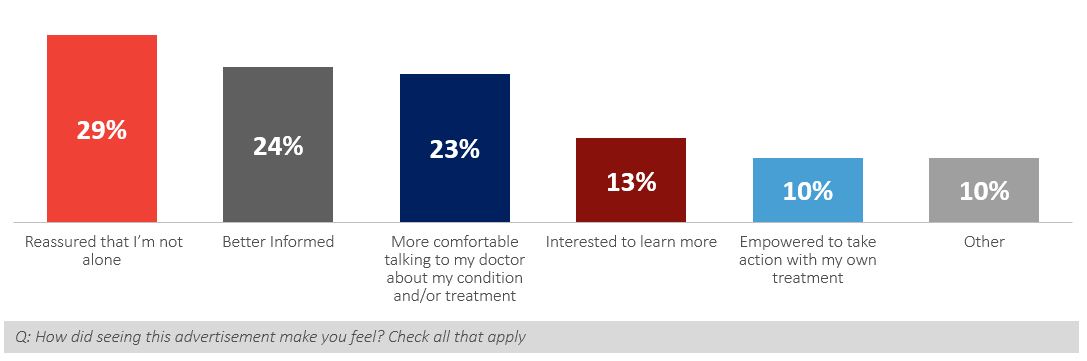
 The results demonstrate that patient engagement solutions at the point-of-care can provide pharma with an opportunity to drive better physician-patient discussions, insert their brand into those discussions and ultimately help educate on better treatment decisions. This is an unprecedented and unique ability to impact both audiences at that magic moment when treatment decisions are being made.
 The promotion of products with branding, growth of empathy awareness through an imaginative experience, education, and training are all marketing opportunities that engage patients and doctors while increasing sales, drug compliance, and the number of new drug users. VR produces branding by supporting products that stimulate creativity and evoke senses which results in a unique, complete experience rather than merely a visual presentation. Empathy is built when doctors reaffirm to themselves that they chose their medical careers so they could positively influence humanity. VR serves as training and education for doctors with the optimistic outlook that any mistakes would occur during these simulated patient encounters and not in the real world. By presenting in videos the negative impacts on the quality of life with drug non-compliance, doctors are encouraged to prescribe certain therapeutic medications to keep patients on drug therapy for a longer period of time. This not only equates to improved health, but also an increase in sales and market penetration during growth and maturity drug cycles.
 Technology Media vs. Traditional Media
 While there is no one right approach to POC validation, the bottom line is clear: It all comes down to trust and delivery. When choosing a POC provider to partner with, you not only have to ask whether you can trust the experience of this provider, but also whether they can substantiate with facts that you are indeed getting what you pay for.
 The theme of this month’s newsletter is consumer trends. Here’s a recent one worth talking about: According to