

TV Ad Ban a Reality?
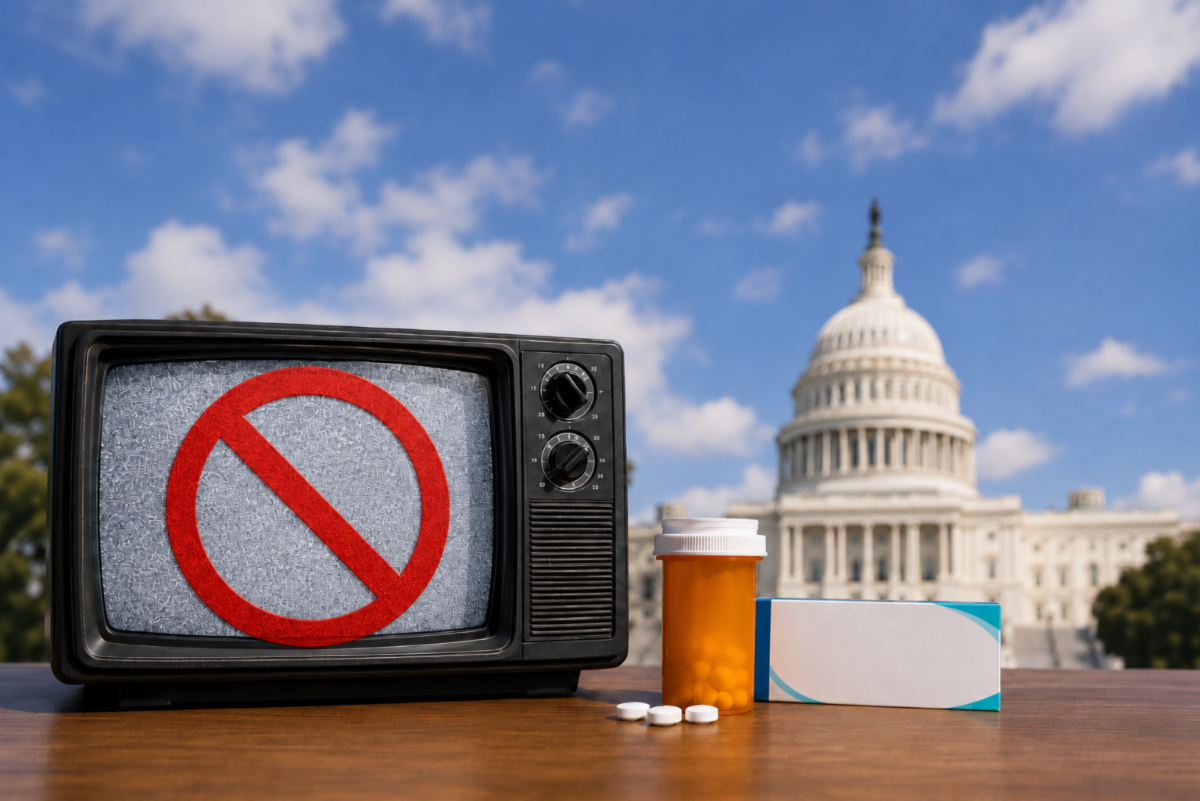
The FDA has launched a salvo at branded television advertising by trying to officially change the adequate provision rule, which allows for alternative means of risk disclosure. Eliminating adequate provision would force the full disclosure of all risks and side effects included in the approved label. This would effectively eliminate the ability to run a 60- or 90-second ad.
Our media industry trade group, 4As Health, published an article highlighting the next steps the government is taking:
https://4ashealth.org/2026/07/08/fda-regulations-planned-for-de-facto-dtc-rx-ad-ban/
The FDA stated its intent in September 2025 to try to eliminate adequate provision. Dr. Marty Makary, then FDA Commissioner, said at the DTC National in April 2026 that branded ads are safe, citing First Amendment protections and increased, effective FDA oversight. Secretary Kennedy and President Trump forced his resignation a few weeks later over issues unrelated to DTC. The real push to eliminate DTC television ads is coming from Secretary Kennedy, and as long as he is running HHS, he will advocate for a ban.
There are many reasons I believe adequate provision will remain. Most importantly, the FDA has said its real intent is to eliminate television ads in their current form. Courts will not look kindly on this, since past rulings have strongly supported commercial free speech. Second, adequate provision has been around since 1969, representing 57 years of precedent. Third, we have had branded DTC ads since 1997. Where is the public health crisis? What public harm has occurred from these ads, which are already heavily regulated by the FDA?
Should DTC marketers be worried? Yes, this is a major threat. While I do not think it will withstand a court challenge, it could still be implemented and create chaos for marketers while it moves through the courts. Media companies will fight it vigorously, since banning DTC advertising would significantly hurt their revenues. Pharmaceutical companies will have to decide how much they want to fight, given the many business factors the government can influence.
Would pharma voluntarily agree to stop branded television DTC advertising if doing so could positively influence drug approvals and price negotiations? Pharma is a business, and companies will evaluate the net benefits and risks of fighting the FDA.
“A full ban is unwarranted. Effective regulation, not elimination, should be the path forward.”
Let’s assume the worst-case scenario and adequate provision is eliminated. There are viable alternatives to fully branded ads. Category leaders can substitute disease education ads. They can also run 15-second reminder ads for brands that are already well established.
There are also alternative channels that can replace television. Digital advertising allows for the full label to be presented through scrolling. Point-of-care channels can also run longer ads without being cost-prohibitive for pharma.
Consumers do not want their access to pharmaceutical communications cut off by the government. While many consumers might say they support a ban, it is often because they believe drug ads raise prices. The reality is that they do not, and the industry needs to educate the public on the benefits of free commercial speech for prescription drugs.
Insurance companies, government payers, and legislative bodies want to control formularies and do not like it when consumers put pressure on them to cover newer, advertised drugs.
The industry can expect to face a new rule ending adequate provision as early as mid-2027. We still have time to launch an effective fight. Our lobbyists will work their magic to try to delay or defeat the proposed rule change.
For 29 years, branded ads have been educating the public about available drug treatments. Yes, there are some rational arguments against DTC ads. Regulating them effectively should be the preferred path. The FDA has already begun doing this through its renewed enforcement efforts. While drug makers may be unhappy about receiving enforcement letters, they can effectively address the violations cited.
A full ban is unwarranted, and we can only hope the FDA and Secretary Kennedy drop the idea of banning DTC advertising.
Author
