

Latest News


October 31, 2018 0

The other night I tucked my nine-year-old son Caleb into bed and closed the door. I walked by his room shortly thereafter expecting him to be out cold. Instead, I heard him belting out “Tresiba rea-dy” in tune with the TV commercial we had seen that day. A few days later I took him for a check-up with the pediatrician and was floored when he requested a prescription for, you guessed it, Tresiba.

Okay, it’s possible I made that last part up, but I’m thinking that the song stuck in Caleb’s head wasn’t the brand recall Novo Nordisk had in mind when they contracted for that jingle.

Whether it’s catchy ditties, adorable characters like Xifaxan’s gut guy, or celebrity endorsements, pharma marketers have been pulling out all the stops to make their brands stand out. While these efforts are unquestionably splashy and often memorable, they don’t necessarily resonate with the right audience. Of course, TV commercials like these have drawn scrutiny from the wrong audience, serving as a magnet for criticism of DTC advertising from the American Medical Association, patient advocacy groups, and Congress.

Pharma TV spend crossed the $4 billion mark for the first time in 2016 and rose even higher in 2017 per Kantar Media. It’s clearly not going anywhere any time soon, but with TV spend still dwarfing digital and other media spend, there is a real opportunity for pharma to get it right on DTC by taking advantage of far more targeted platforms.

TV drug commercials are inevitably going to be irrelevant to a large majority of the audience. Even a commercial involving a highly prevalent disease such as diabetes will be applicable to a limited portion of viewers. And most advertised drugs are for conditions with far smaller patient populations than diabetes. Broadcasting these ads to a large, general audience leads to the exact issues critics point to, namely, higher drug prices to offset huge marketing costs and the mass hypochondria caused by self-diagnosis. Yes, there are some who will gain awareness of a condition they or a loved one may in fact be suffering from or a treatment option they should consider, but most who see these commercials will not.

DTC ads do play an important role in fostering an important doctor-patient conversation around treatment options. Utilizing these ads in the right context is the best way to counter anti-DTC sentiment.

  • Digital media –Splashing billions of impressions all over the Internet would be no better than the mass marketing of TV. However, both endemically-aligned contextual campaigns and wider data-driven targeting offer far less wasteful DTC options.
  • Search – Search engine marketing will continue to be a tried and true method. It cuts out the fat by gauging the user’s interest off the bat.
  • Social Media – Various social platforms offer excellent targeting options to reach those following an organization or individual tied to a given condition. Pharma is certainly still learning how to play within the limitations of social, but with a growing number of people getting health information from social, there’s no doubt it’s a place pharma will want to be.
  • Point of Care – There are numerous in-office opportunities that allow for targeted, relevant consumer advertising. Such efforts are particularly valuable in specialty offices.

A side benefit of all of the above is that they are immediately actionable – for digital tactics, users can interact with ads or click-through to learn more about a given treatment. For point of care, of course, they can have a conversation with their healthcare provider on the spot.

Each of these avenues avoids the chief criticism of DTC advertising mentioned above. Promotion through proper channels to an audience primed for relevant messaging will cut back on excess doctor’s appointments and will help reduce the burden on the healthcare system. Reallocating budgets and shifting to more focused options will mean efficient marketing budgets and would ultimately help reduce healthcare costs.

Despite mounting pressure to eliminate DTC advertising, pharma can still provide real value for patients in the right environments to help them make important health decisions. There is too much at stake for the pharma industry and other key interests for an all or nothing outcome. In the end, it may come down to more appropriately-targeted, below the radar approaches that serve as a compromise. While Caleb may still get that Tresiba jingle stuck in his head, at least it will be while researching the merits of basal insulin instead of in the middle of watching a Bulls game.

Aryeh Lebeau


October 31, 2018 0

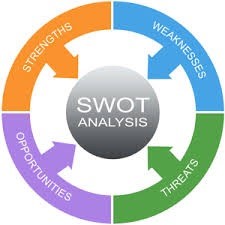
Zen Chu, MD, of Accelerated Medical Ventures and senior lecturer at MIT Sloan School of Management, said “We’ve got so many new technologies and redesigned experiences impacting both the value we deliver and also the value patients are getting from healthcare.” A SWOT analysis shows that virtual reality (VR) is a novelty that will be become another successful communication marketing platform in the pharmaceutical mass media mix. From the assessment below, the benefits of the strengths and opportunities of VR marketing techniques substantially outweigh the challenges of the weaknesses and threats, which inevitably will decrease over time.

Strengths

Marketing approaches are enhanced with VR by providing more innovative information with immersive storytelling. Patients are exposed to the impacts of their medications by viewing colorful three-dimensional (3D) videos instead of reading dull, long-winded, monotonous drug information in black and white printed materials. The immersive Mechanism of Action (MOA) animation of VR is a full circle video experience with 3D images that provides narrative while stimulating the senses. Spatial audio allows patients to hear information emanating from all directions that result in a blended experience. In-depth sensory perception with VR creates empathy with an inspirational message that takes patients on a journey, captures their full attention, draws them into an encounter with pharmaceuticals, and coerces them into exploring their options while ensuring a memorable experience. Patients are motivated to become engaged with drugs in a resourceful way immediately after a VR pharmaceutical experience, which strengthens the value of VR as a marketing tool.

Weaknesses

Pharmaceutical marketers encounter challenges with the promotion of 3D imaginary visuals, the possible high cost of required equipment, an increase in manpower budgets and the subsequent lower marketing budgets and the lack of technology acceptance. Often times, VR marketers are confronted with the seemingly futile struggle to overcome the fantasy versus reality theme. 3D visuals bring the patient into a conceptual, fantasy world of a fictional environment as opposed to augmented realty (AR) which delivers a physical, real-world environment including sound, video, and graphics generated by computer technology. The cost of the necessary head gear can be expensive which could hinder marketing strategies that would promote it as an easily attainable communication vehicle. The patients’ perception is that it is not worth their investment of time and money considering the high probability of the insignificant value of 3D visuals that are not operational on such devices as iPads. VR campaigns necessitate more staff, such as artists, animators, and copywriters, which escalate the cost of manpower while decreasing the available funding for marketing efforts. Modern technology lacks human interaction in a manner that patients believe is detached and aloof. Simple, high-tech tools such as glasses lack warmth and are devoid of personal touch. Combining medicine with technology is regarded by some patients as standoffish and distant.

Opportunities

The promotion of products with branding, growth of empathy awareness through an imaginative experience, education, and training are all marketing opportunities that engage patients and doctors while increasing sales, drug compliance, and the number of new drug users. VR produces branding by supporting products that stimulate creativity and evoke senses which results in a unique, complete experience rather than merely a visual presentation. Empathy is built when doctors reaffirm to themselves that they chose their medical careers so they could positively influence humanity. VR serves as training and education for doctors with the optimistic outlook that any mistakes would occur during these simulated patient encounters and not in the real world. By presenting in videos the negative impacts on the quality of life with drug non-compliance, doctors are encouraged to prescribe certain therapeutic medications to keep patients on drug therapy for a longer period of time. This not only equates to improved health, but also an increase in sales and market penetration during growth and maturity drug cycles.

Threats

VR marketing strategies are susceptible to exposing the missing value or content, glossing over the specific benefits and risks of the drug, depicting non-compliance with the FDA, and focusing on a flashy fad. The VR experience is an entertaining simulation, but does not always include the requisite information. Striking graphics can overshadow the content. The patient remembers the glitzy presentation while recalling the data as lackluster. As one pharma marketing executive at Ferring Pharmaceuticals said, “Content is king and experience is queen.” Patients may lose interest in the health topic and be unable to identify the positive and negative impacts of the drug after viewing the video for only a few seconds if there is not an angle to keep them focused on the content. Messages are sometimes camouflaged by a great deal of pizzazz; however, they need to be a true representation of the drug that shows compliance with FDA approval and specific industry regulations. Many patients are under the impression that glasses can be easily replaced with the next innovation which may be less associated with a passing, showy toy, and more connected with a modest health apparatus that has longevity in the industry.

In summary, a SWOT analysis outlines the positives of VR pharmaceutical marketing which surpass the negatives. In the near future, challenges will be overcome in at least three ways:

  1. The cost of equipment is decreasing as demand increases and less expensive, more sleekly designed head gear bursts onto the market;
  2. Technology acceptance is growing immeasurably;
  3. More value and content is being added.

Undoubtedly, VR is destined to become the newest, avant-garde media tool in pharma that will increase patient engagement and ROI exponentially while improving patient well-being.


References

Bell, J. (2018). Pharma wades into the world of virtual reality marketing. BioPharma Dive.

Best ways to use virtual and augmented reality for pharma. (2017). Viseven.

Champagne, D., Hung, A. and Leclerc, O. (2018). The road to digital success in pharma. Pharmaceuticals and Medical Products.

How is the pharma industry marketing today in 2018? (2018). #TrendTalks.

Senson, A. (2015). “Virtual reality in healthcare: where’s the innovation?” TechCrunch.


admin


October 31, 2018 0

A revolution in pharma marketing

Did you know?

  • 72% of patients go online to learn about their condition.
  • And 1 in 4 turn to the internet before speaking to a doctor.
  • Yet only 3% of healthcare advertising budget is spent on digital. And most digital DTC advertising is ineffective.

Are you making the most of DTC digital advertising? This summer, DTC Perspectives and MetrixLab partnered up to bring you a webinar led by Frank Chipman, MetrixLab's SVP and Healthcare Practice Leader. Click here to watch the recording of the 40-minute webinar to find out how pharmaceutical brands can benefit from this huge opportunity, including coverage on:

  1. The benefits of and growing focus on DTC digital advertising for pharma brands;
  2. Clear guidelines on how to significantly improve the impact and ROI of your DTC digital ads;
  3. A short Q&A session following the presentation.

For more on this topic, you can also read MetrixLab's whitepaper about digital advertising for pharma companies. Plus, discover some best practices for effective pharma and OTC Facebook mobile ads, as revealed in their recent study for Facebook.


Click here to view the original posting of this content.

admin


October 22, 2018 0
We all know the final price patients pay for prescription drugs is as complex as determining whether life exists on other planets. In no other consumer category do users have no idea what the product will cost. We all can estimate the price of a Mercedes, a four bedroom house in our neighborhood, a new suit, a jug of Tide, or a gallon of gas. We may not be exact but we would get reasonably close. Prescription drugs are unique in that an advertised product can cost $50 a month or $50000.
We would have no idea from watching the DTC ad whether that drug is the $50 or $50000 product. Even our doctor would not know because 72% say in a study by Deloitte they have inadequate price information. Congress wants to remedy that by requiring DTC advertisers to put price information in DTC ads. Consumers widely support this idea and it is from Democrats, Republicans, and Independents, at 83%, 72%, and 73% respectively. HHS Secretary Alex Azar is going ahead with the new policy of requiring price disclosure in drug ads.
Bob Ehrlich
“DTC advertisers will face a new FDA guidance on price disclosure.”
-Bob Ehrlich
Of course, that idea is fraught with problems. It is a well-meaning solution but would cause a raft of other problems. We all know the out of pocket cost of our drugs is dependent on our insurance coverage, our deductible/co-pay, formulary status, treatment protocol, and availability of similar drugs. That means you could pay nothing for a $100000 cancer drug, and more for your $100 a month depression drug. Consumers would benefit from knowing what they would actually pay, but that is not possible to do in a voice over or super on screen.
What insurers and government payers really want to do is discourage DTC advertising of expensive drugs. They think that by forcing price disclosure, the premium price drugs would be advertised less because those drug companies would face consumer backlash once price is part of the advertisement. I have wrestled with the positives of adding price to a DTC ad. I can see some benefit giving a heads up to a potential patient that the premium priced drug may cost a lot and therefore may not be covered or restricted to use after cheaper alternatives have been exhausted.
On the other hand, a patient may misinterpret that price as being unaffordable and not pursue further even though it might not cost them much in the end. I come back to the conclusion that discussing price in the ad would probably confuse consumers more than help them. If I were a policy maker I would focus on the doctor by giving them tools to determine likely out of pocket cost for their patients. They already have the patient insurance information so determining coverage status and final cost should not be too difficult to estimate.
I understand the reason insurers and government payers dislike DTC Ads for expensive drugs. It is a legitimate argument that some of these drugs might be only marginally better than cheaper treatments. DTC Ads create demand and put pressure on payers to cover those drugs. An insurer is placed in a tough position of being the “bad” guy by not covering the latest drug. While that may be a consideration, the restricting of advertising is not the best solution. Insurers need to make their case on comparative efficacy to both doctor and patient. Insurers and patients should not want to pay for drugs with minimal incremental benefit. That case is better made downstream from an awareness DTC ad.
DTC advertisers will face a new FDA guidance on price disclosure in the next few months. It will be just a super or voice over stating the list price for a one month supply. This whole exercise is political and unfortunately will not help consumers. What might help more is the drug industry decision to offer comprehensive price information on their branded web sites announced 10/15 by PhRMA. I doubt any drug maker will drop DTC over this requirement although it may give the highest price drugs some cause for concern.

Bob Ehrlich


October 2, 2018 0

Nathan “Nate” Lucht has joined Rx EDGE® Media Network as President and CEO, as it was announced in a news release yesterday. He will take the reigns from former CEO, Jim O'Dea, who will continue on with the company as Chairman. Having held leadership roles with companies such as General Mills, Boston Consulting Group, and IRI, Lucht has an established track record of success from his background in the CPG, consulting, and data and analytics service industries. “He is experienced in leading organizations, establishing business strategy, and leveraging data and analytics to achieve results measured by not only earnings growth but also in driving customer engagement and loyalty,” stated the news release.

Jim O'Dea shared that they “are thrilled to have Nate join us and lead the next phase of the company’s continued growth strategy.” With Lucht adding, “As part of our industry’s unique media mix, pharmacies are in the very best position to be where potential patients are receptive—and motivated to act. I am looking forward to building on the company’s current strategy and collaborating with the team to develop new strategies and ideas to help our clients reach more consumers and grow their businesses.”

Rx EDGE Media Network, a division of LeveragePoint Media LLC, is a leading provider of consumer media solutions distributed through a network of 30,000 retail pharmacies. Having partnered with more than 175 brands from 70 pharmaceutical manufacturers across a variety of therapeutic categories since 2000, Rx EDGE programs provide health information and education to consumers at a critical point-of-care touchpoint.

admin


September 26, 2018 0

According to the fifth and final chapter of the eBook, Modern Pharma Marketing: Pharma's Data-Powered AI Revolution, the authors from Intouch Solutions and Digital Health Coalition (DHC) look ahead to 2023. They note “[w]e believe that AI today is analogous to the ‘e' revolution of the 1990s. By 2023, we won’t be talking about AI-powered solutions – the same way that we eventually stopped talking about ‘e-business.' Terms that specify a technology’s inclusion stop being used when the technology becomes an assumed part of life.

“So: must you run out and create an AI project today to keep up appearances? Absolutely not. But AI is going to become a fundamental part of modern pharma marketing in fairly short order. This will happen in both blatant and subtle ways – from specific AI tools, to behind-the-scenes use of AI technology.” Among their predictions are: how AI will be used to help us better collect, analyze, and manage data; the gradual implementation of technology into our everyday lives, including providing us with better predictions or doing more with less instruction.”

Mark Bard, DHC co-founder, was quoted for the chapter: “AI is becoming part of the healthcare delivery system at every step. In a world where AI powers clinical decisions by providers and payers, the rules of engagement – and influence – evolve. Pharma and medical device companies must become conversant with the technology and algorithms to understand where they stand and how to optimize the role of products within the new world of data-driven medicine.”

Click here to read the latest and final chapter.

admin


September 26, 2018 0

Breast Cancer Healthline launched shortly before Breast Cancer Awareness month in October. This new app provides 1:1 support for patients, survivors, and caregivers through an online community that offers shared experiences, advice and encouragement, as well as the latest news, research, and information, all in real-time. As stated in the news release, “Designed by Healthline to empower people to live beyond their disease through support, hope and knowledge, the Breast Cancer Healthline app offers:

  • Peer support with many ways to connect, from one-to-one messaging to six group chats  accessible anytime, anywhere;
  • Personalized guidance and customized content for both patients and caregivers;
  • Access to meet other members and discuss whatever is on their mind, like self-care, nutrition, relationships and work;
  • Breast cancer content that is medically reviewed, socially inspired and data-driven;
  • A single destination where each member understands that they are not alone.”

Ann Silberman, a current user and patient/survivor, was also quoted in the news release, saying, “My matches have been about my age and stage, so we've touched on our worries and fears. It's incredibly helpful to have the matching system. Because I'm stage 4, travel is hard and without the online world I would not be able to even talk to people with my similar diagnosis.” The app is available for both Android and IOS. It has been featured as one of Apple's Appstore's “New Apps We Love” since it's June premiere.

Healthline is the fastest growing consumer health information site, having reached 67.3 million unique visitors in August 2018, 53 million of which were from the US, according to comScore. As noted in the news release, the company's property domains – Healthline.com and MedicalNewsToday.com – saw significant gains over the past year: Healthline.com posted a 62% growth in monthly unique visitors vs August of last year and MedicalNewsToday.com saw a +206% increase when compared to August 2017. This helped Healthline debut in the top 50 digital media properties according to comScore.

As per the news release, “Our plan for 2018 was to increase people's access to Healthline properties, in order to touch more people, improve health and change lives,” said David Kopp, Chief Executive Officer of Healthline Media, Inc. “I'm proud that our team's active listening to the public, online queries and proactive content development is meeting people's needs and attracting more users, making Healthline one of the fastest growing digital media properties in the health information category.”

admin


September 26, 2018 0

Sponsored Content

You’re likely in the thick of planning for 2019 (caffeine in hand!). If you’re following in the footsteps of other pharma brands and agencies, there’s a good chance you’re looking to include point-of-care (POC) tactics in your plans: According to Medical Marketing & Media Healthcare Marketers 2017 Trend Report, 36% of pharma brand marketers expect to increase their POC marketing spend this year.

Great stats that show point of care is on the rise! That said, it is still somewhat of a niche channel and can be complex compared to traditional channels. To help further your POC planning efforts, here are some helpful industry resources I recommend:

  • Why POC: A quick look into the promotional effectiveness POC generates to support your brand.
  • POC Buyer’s Guide: What standards and questions should you ask in choosing a point of care investment?
  • Auditing and Verification Standards: As the POC3 Buyer’s Guide advises, brands and agencies need to be fully up-to-date on network verification efforts of their potential POC partner. This is an inside look at what we do at PatientPoint (and I like to think we set the bar high!).
  • Measurement Glossary: Your cheat sheet for better understanding the terms and research methodologies behind POC measurement approaches.

What are the challenges you see in planning for point of care? One that I see has risen is the need for a common currency: Is it doctors? Locations? Impressions? It’s critical to compare apples to apples when putting that buy in a spreadsheet, as practices are definitely not created equal.

According to the American Medical Association, for the first time in modern U.S. history, less than half of doctors own their own medical practice. Rather, as the New York Times reported, 43% of all HCPs are now employed by top hospital groups and health systems. So a large practice brings much more value to a brand than a 1-2 doctor practice, which would be missed when just counting locations as the sole “currency.” Thus, my vote is for the currency of HCPs! It’s how pharma targets, and it’s how we recruit providers to be a part of our growing network.

At PatientPoint, we have 80 full-time employees working with HCPs/systems across the country and we’re investing $25 million into health systems for greater patient and physician engagement. We’re also committed to growing in other areas where client impact will be the greatest:

  • Primary care: Expansion to more than 25k high-value primary care HCPs by EOY 2019
  • Continued growth to deliver unprecedented impact in oncology of nearly 40% of all volume
  • Launching patient and physician platforms for the neurology specialty in 2019

All of this is being done to ensure you gain the most value out of your POC investments. I want to hear from you – what do you think the common currency should be in measuring POC effectiveness? Let me know at linda.ruschau@patientpoint.com or (513) 936-3549.

Linda Ruschau

A_professional_scene_depicting_a_group_of_scientis.jpg

September 5, 2018 0

The Senate recently passed an amendment to a larger health care bill that requires drug prices be disclosed in DTC Ads. The Durbin amendment was adopted with bipartisan support. It really just gives HHS a million dollars to study a way to require the disclosure. What is clear is this idea has strong support from President Trump, Congress, HHS Secretary Azar, and the American Medical Association. So, like it or not, the drug advertisers may be forced to add some price information to ads.

Bob Ehrlich
“Drug makers may be forced to add… price information to ads.”
-Bob Ehrlich

On the surface, that list price disclosure seems reasonable. We see MSRP in car ads, so we know whether it is a premium or economy car. Not that we don’t know that already but it is not unreasonable. For cars, we know we will likely pay somewhat less than MSRP but we do know the range a Mercedes will cost us. Congress thinks consumers deserve to know the price of drugs they see advertised. To Congress that seems like it would help consumers decide if this advertised drug should be considered.

Drug pricing is not like car pricing. Consumers pay much less than the list price and sometimes pay nothing for the $50000 drug for cancer. Admittedly, drug pricing is a Byzantine process that confounds most of us. Each insurance company, PBM, and government payer negotiates prices. Each consumer depending on their insurance pays a different price no way near the list price. Sometimes the consumer would pay out of pocket more for their OTC cough medicine than the $50000 cancer drug.

So how should drug companies disclose drug prices? If the list price is not anywhere near what consumers pay, then how does disclosing it help them? It does not. It helps insurance companies in making DTC more difficult for drug companies to execute. The knowledgeable legislators know that if they force drug makers to talk about price that may discourage them from doing DTC Ads for expensive drugs. Drug makers advertising the $100000 cancer drug may decide that DTC is not worth trying to explain the complexities of drug pricing or face the barrage of criticism for having a sticker shock price.

I think this is the real reason for this amendment. Embarrassing drug companies they hope will put a chill on DTC for cancer drugs, biologics for arthritis, Crohn's, and other new premium drugs. Of course, all drugs will face a guidance on how pricing needs to be discussed. Somehow FDA will make disclosure a time consuming step in a DTC ad. That will add 10-15 seconds to the ad and may make them difficult to execute. Their hope is to get drug companies to stop doing DTC.

So the good news is it will take FDA a while to study and draft guidance for disclosing price. This lag may allow the powerful advertising lobby to show how impractical this disclosure requirement will be. My guess is we may have some compromise that speaks in terms of ranges of price. That is something like “most patients will pay much less than the price listed depending on your insurance coverage.” Or, drug makers may be able to say “the average price paid by consumers is x.”

It may be illegal to require drug makers to disclose price under commercial free speech grounds. I am sure the advertising lobby will argue this inhibits commercial speech. They would have a strong case based on precedent.

My advice to the agencies is to be ready to deal with adding some price statement but I am sure it will be a few years before FDA can figure out how best to do this. They research everything they do and that will take a long time to study. DTC price disclosure sounds great but is just a bad idea that will not help patients.

Bob Ehrlich


August 30, 2018 0

The latest chapter in the ebook, Modern Marketing: Pharma's Data-Powered AI Revolution, was released this Tuesday by Intouch Solutions and Digital Health Coalition. Chapter 4, Ask the Experts: The Pharma POV, revealed that “there are significant shifts away from AI being ‘not an issue today' to ‘becoming very important' in 2019” as 38% of respondents ranked AI as “very important” for 2019 (vs 25% for 2018). Perhaps more tellingly, just a mere “8% of pharma executives rank AI as having very low importance for 2019 – down from 21% in 2018.”

The surveys conducted found that while pharma is still learning about AI and all it has to offer, some are already using AI for marketing (26%) or plans to use it are underway (30%). As the ebook noted, while companies would logically not chase every fad technology, “the greatest potential driver of future (or continued) investment in AI is … better customer insight.” Of the pharma executives surveyed, 17% are already reported a measurable value regarding better customer insights. “Beyond that, the second area is automating routine business processes (14%), following by increased efficiency (8%), and improving customer satisfaction (8%).”

Click here to access a copy of the ebook, which shares additional survey results, insights, and interviews with industry KOLs.

admin