Latest News


June 25, 2015

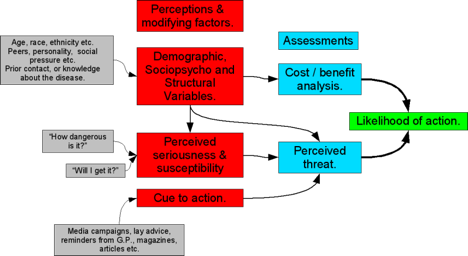
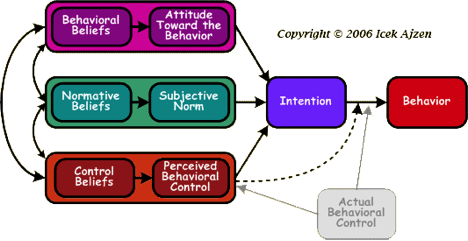
Senator Edward M. Kennedy’s landmark speech at the 1978 Democratic National Convention in Memphis, Tennessee emphatically brought attention to our nation’s health care dilemma, establishing his stance on health care as a matter of right and not of privilege. The human right to health care means that “services must be accessible, available, acceptable, and of good quality for everyone, on an equitable basis, where and when needed.” Supported by approaches and behavioral science theories, including the Health Belief Model and the Theory of Planned Behavior, mHealth and telemedicine embody the ideals of the right to appropriate care at a suitable time in the correct place.

Decreased Time and Cost of Health Care +
Increased Health of Population and Quality of Care =
High Return on Investments in mHealth and Telemedicine

By incorporating the following five approaches of mHealth and telemedicine into our health care system, lower cost and higher quality care for all becomes a clear reality.

  1. Remote analysis services. Highly trained professionals work as a pooled resource with fractional employment providing 24/7 coverage with services such as telepathology and teleradiology.
  2. Remote monitoring technologies. Patients switch from serviced on an inpatient basis to monitored on an ambulatory system.
  3. mHealth monitoring technologies. Disease managers prevent hospitalization for conditions such as heart failure by accessing daily weight information and proactively assisting patients with fluid retention before a crisis occurs.
  4. At-home triage services. Televisits from nurses and PCPs decrease emergency room visits.
  5. Telemedicine appointments. Providers accept patients upon their current availability and
    reduce the amount of wasted underutilization.

Applying the Health Belief Model to mHealth

Benefits
In a study comparing traditional to mobile app self-monitoring of physical activity (PA), the Health Belief Model (HBM) concept of perceived benefit showed that app users self-monitored exercise more often than non-app users (2.5 days vs 1.25 days per week) and reported greater intentional PA than non app users (150 kcal vs 50 kcal per day).

Barriers
The concept of perceived barrier to wearables involves difficulty with location tracking using Bluetooth (narrowband) and measurable issues in accuracy, time latency, and consistency. Signal strength is an unreliable indicator of distance considering wireless network effects such as obstructions, reflections, refractions, multipath and reception. One innovative solution is ultra wideband (UWB) radio which enables resilient location and distance measurements.

Efficiency of Narrowband vs Ultra Wideband
with Time Latency and Visual Effects

Cues to Action
The concept of cues to action comes to the forefront through instant feedback from such wearables as pedometers or activity monitors. The data acts as a reward when results are high and as a challenging motivator when results are low. Forty percent of trackers indicate that feedback prompts them to ask a doctor new questions or seek a second opinion. Trackers share their results with others in common language in online support groups either to receive and give encouragement or take part in competitions.

Applying the Theory of Planned Behavior (TPB) to Telemedicine

Subjective Norm
In a study to determine patient use of walk-in clinic telemedicine services for minor ailments compared to emergency room visits, 73% of respondents mentioned that the opinions of their family members would be important considerations. Normative interpersonal channels more strongly influence their decision making than mass media channels which solely gather information.

Perceived Behavioral Control
Perceived e-consultation diagnosticity occurs when the patient believes that images and sounds transmitted through technology are under their control. As remote patients, they perceive that enough accurate information is relayed electronically to allow physicians to understand and evaluate their symptoms and health conditions without being present to “touch and feel” them.

Attitudes
The attitude of the patient surfaces with increasingly knowing their rights to quality care and believing that telemedicine improves access to quality care. Patients suffering from chronic illnesses that live in rural areas and have limited access to doctors due to disability or age have virtual visits with PCPs or specialists not always available to them.

In conclusion, most Americans are not “at the tip of the iceberg way up high in the health care services” as Senator Kennedy stated in his 1978 convention speech. The road to managing our health care crisis is paved with a golden opportunity. The HBM and TPB behavioral models show that quality care offered universally and equitably at a lower cost is a reality with the growing use of mHealth and telemedicine. Now is the time to allow digital health to propel our nation’s health care system forward to realize our desired outcome.

References:

Darmon, Luc. “Wireless for Wearables.” Embedded Computing Design. (2014)

Newell, Derek. “5 Ways Mobile Apps Will Transform Healthcare.” Forbes. (2012)

Paddock, Catharine, Ph.D. “How Self-Monitoring Is Transforming Health.” Medicine News Today (2013)

Serrano, C. I. and Karahanna, E. “An Exploratory Study of Patient Acceptance of Walk-In Telemedicine Services for Minor Conditions.” International Journal of Healthcare Information Systems and Informatics (IJHISI), 4(4), 37-56. (2009)

Turner-McGrievy G.M., Beets M.W., Moore J.B., Kaczynski A.T., Barr-Anderson D.J. and Tate D.F. “Comparison of Traditional Versus Mobile App Self-Monitoring of Physical Activity and Dietary Intake among Overweight Adults Participating in an mHealth Weight Loss Program.” Journal of American Medical Informatics Association, 20(3), 513–8. (2013)

West, Darrell. “How Mobile Devices are Transforming Healthcare.” Issues in Technology Innovation. Center for Technology Innovation at Brookings. (2012)

admin


May 20, 2015

In her 1996 book It Takes a Village, current presidential candidate and former United States Senator, First Lady, and Secretary of State Hillary Rodham Clinton detailed her view that multiple determinants, such as community involvement, cultural/environmental influences and social interactions, contribute to how a child is raised. Similarly, inciting a consumer call to action with disease prevention outreach programs takes an amalgamation of different social and behavioral theories which rely on the same factors as the village concept. Studies assert that outreach programs based on more than one theoretical foundation, including Million Hearts which was established by combining the Health Belief Model (HBM) and the Theory of Planned Behavior (TPB), are more likely to produce a desired positive outcome than those that lack theory or are based on only one theory.

The Health Belief Model

The first social behavioral theoretical foundation, Health Belief Model (HBM), emphasizes that the willingness to take action and prevent risk depends upon the beliefs about the susceptibility and severity of disease; the perceptions about the benefits and barriers; cues to action and self-efficacy.

In a hypertension prevention study, Hispanic respondents not only misperceived that certain behaviors are barriers that would increase their risk factors, but also expressed a lack of confidence in their ability to perform such behaviors as having their BP checked regularly, limiting their salt intake, eating five or more servings of fruit and vegetables daily, exercising at least 30 minutes four or more days of the week, and controlling their weight. The general perception that hypertension was not a severe disease and the susceptibility misunderstanding resulted in 68.6% of the respondents being at increased risk for developing hypertension.

The Theory of Planned Behavior

The second social behavioral theoretical foundation, Theory of Planned Behavior (TPB), assumes that attitude, subjective norms, and perceived behavioral control predict actual behavior. Attitude refers to beliefs merged with the value placed on the behavioral performance outcome. Subjective norm signifies the perception of the social expectations to adopt a specific behavior. Perceived behavioral control reflects the beliefs about the level of ease or difficulty of performance behavior.

A circle of culture surfaced in a hypertension prevention study concerning poor eating patterns passed from generation to generation; physician distrust and questioning reasons doctors would want to lower BP because of the belief that physicians would not have a job if they addressed this health issue; and an unwelcome move that changes consumers from insiders to outsiders when they act differently by engaging in healthy behaviors. Severing cultural traditions and adopting preventive behaviors suggested by health care professionals resulted in social pressures.

Combining HBM & TPB: The Million Hearts™ Program

The Million Hearts™ national outreach program engages Community Health Workers (CHWs) to help achieve the goal of preventing one million heart attacks and strokes in the United States by 2017. The CHWs educate consumers about the importance of fit lifestyles and specifically promote these tenets for maintaining a healthy BP:

1)     Having routine screenings for high BP;

2)     Understanding BP numbers and the significance of lowering BP while searching for economical ways to increase lower sodium and whole grain foods and still keep their weight within BMI;

3)     Comprehending the ramifications of uncontrolled BP that include damage to eyes, kidneys, heart blood vessels, and brain; high risk of heart attack and stroke; and chronic kidney failure requiring dialysis.

CHWs encourage consumers to interact with other members of the community including their physicians about clearly defined health goals and keep a daily record of BP readings to track progress. CHWs also introduce consumers to social workers and others who can teach them how to apply for programs and insurance that help pay for health care. Many Hispanic consumers prefer to learn information with plain language fotonovelas, similar to comic books, which are common in the culture. Personal interaction is carried out by “promotoras” from the same ethnic background who honor the tradition of reading a fotonovela with consumers.

In summary, creating a consumer call to action with disease prevention outreach programs such as a Million Hearts™ takes a village of community involvement, cultural/environmental influences and social interactions supported by different theories including HBM and TPB. The underlying premise is that a combination of theories informs the message. Theories determine why, what, and how a health issue should be addressed and assist in developing successful program strategies that reach targeted priority populations to affect a positive impact.

References:

Del Pilar Rocha-Goldberg, María et al. “Hypertension Improvement Project (HIP) Latino: Results of a Pilot Study of Lifestyle Intervention for Lowering Blood Pressure in Latino Adults.” Ethnicity & Health 15.3 (2010): 269–282. PMC. Web. 19 May 2015.

Glanz, Karen, Rimer, Barbara K., andViswanath, K. Health Behavior and Health Education: Theory, Research, and Practice (4th ed). San Francisco: Jossey-Bass. 2008.

Noar, Seth M., Chabot, Melissa, and Zimmerman, Richard S. “Applying Health Behavior Theory to Multiple Behavior Change: Considerations and Approaches.” Prevention Medicine. Volume 46. March 2008.

Peters, Rosalind M., and Thomas N. Templin. “Theory of Planned Behavior, Self-Care Motivation, and Blood Pressure Self-Care.” Research and Theory for Nursing Practice 24.3 (2010): 172–186.

Peters, Rosalind M., Karen J. Aroian, and John M. Flack. “African American Culture and Hypertension Prevention.” Western Journal of Nursing Research 28.7 (2006): 831–863. PMC. Web. 19 May 2015.

admin


March 18, 2015

In such a strongly regulated industry where it is most important to avoid a downslide, pharma is falling behind in digital health. Risk taking and innovation suggests being open-minded for failure. As Robert F. Kennedy said, “Only those who dare to fail greatly can ever achieve greatly.” The path to success is filled with risk taking: adventurously shifting the predictive and precise, sustainability, quality-based and patient-centric healthcare delivery models away from the reliance on profitable drugs and moving towards resource allocation in digital health to engage patients in new ways.

Predictive and Precise Healthcare Delivery Model with Data Analytics: Real-world evidence and outcome research not only identifies high risk patients but also anticipates medical issues to create customized care plans for individuals as well as improves patient population health through data analytics in the predictive and precise model. Digitally leveraging this model with telehealth efforts, such as wearable devices, can result in pharma partnering with equipment manufacturers to deliver patient adherence information. Headsets which track brain activity and sleep patterns, and sensored “esmart” clothing which monitors blood pressure and heart rate can allow for medication content to be analyzed and then used to form clinical decisions. mPharma and smart devices can digitally leverage this model with real-time, self-tracking, and progress feedback devices and apps, such as 1) food and movement tracking apps; 2) compliance apps with automatic prescription refills; and 3) sensor supported diabetes apps that create a new demand for test strips.

Sustainability Healthcare Delivery Model with Community and Personalized Content: Fostering digital patient-to-patient interaction instead of information exchange exclusively between patient and physician is a key factor in the sustainability model. Online patient communities, such as PatientsLikeMe, digitally leverage this model by allowing for patient reciprocation of objective medical information that results in resourceful discussions about a patient’s personal experiences with different medications that have proven efficacy. Physician communities such as KevinMD and Sermo also can digitally leverage this model with physicians acquiring value through sharing online information with other medical experts about new and successful drugs. Both communities not only promote certain medications but also create pharma brand loyalty.

Quality-Based Healthcare Delivery Model with Physician Tools: Reimbursement depends on measures which promote clinical expertise in the quality-based model. Physician tools support the diagnosis and selection treatment, increase the efficiency of the care process and improve the rapport between the physician and patient. Digitally leveraging this model with IBM’s Watson shows that physicians are on the forefront of technological care access with virtual assistants to facilitate physician referencing and decision making and also improve patient confidence in the progressive capabilities of their physicians who they believe will prescribe the newest and most effective drugs on the market. Electronic Health Records (EHRs) are utilized as cloud-based solutions that integrate data resulting in research and clinical trials that lead to faster results. Patients are engaged via recruitment for clinical trials and the post-market monitoring of safety and efficacy with prescription medication.

Patient-Centric Healthcare Delivery Model with Patient Tools: Consumer experience and understanding patients in their daily lives to achieve patient adherence is the main emphasis of the patient-centric model. Patient tools such as Quick Response (QR) codes that allow patients to interact with chosen information at their own pace can digitally leverage this model. Specific QR codes for each product can be imprinted on prescription bottles and boxes leading patients directly to the online product website. Patient education explaining use, dosage, and safety information can be highlighted through animations, interactivity, and videos from medical practitioners. Remote monitoring support programs can provide information about a patient’s surgically-implanted device that allows constant observation of functioning organs and the skills patients need to manage them. Monitored results can be programmed to text patients’ phones to remind them about upcoming medication doses. The information can be collected and returned to the physician in real-time which would allow for any necessary intervention to be delivered immediately.

In summary, technologically leveraging the predictive and precise, sustainability, quality-based and patient-centric healthcare delivery models with data analytics, community and personalized content, physician tools, and patient tools, respectively, will bring pharma up to speed with current digital health efforts resulting in improved outcomes. Pharma will always invest money where it believes it can secure the highest return, but risk is of utmost concern. At the moment, pharma envisions the highest gain and lowest risk opportunity in developing drugs and not in developing ways of digital patient engagement. By pharma taking a riskier, spirited leap of faith and engaging patients through digital health, greater progress will be achieved.

References:
Gupta, Anu, Schumacher, Jeff and Sinha, Saptarshi. “Digital Health:  A Way for Pharma Companies to be More Relevant in Healthcare.” Booz & Company. (2013)
“Healthcare Delivery of the Future:  How Digital Technology Can Bridge Time and Distance Between Clinicians and Consumers.” EHealth Research Institute. (2014)
“Wearable Tech Regulated as Medical Devices Can Revolutionize Healthcare.” MDDI Medical Device and Diagnostic Industry News Online. (2014)
Palgon, Gary. “Secondary Use of Healthcare Data. and Health:  Use the Cloud to Harness Mainstream Patient Data for Valuable Research.” Contract Pharma. (2013) Brueggeman, Jessica. “Managed Markets:  Operation Patient-Centricity.” Medical Marketing & Media. (2014)

admin


February 18, 2015 0

Tenuta and Gallagher artwork - DTC_programatic_futureThe experience of encountering advertising tailored to one’s behaviors or interests on the internet has become ubiquitous in a very short time. We’ve all had that experience – shopping for a particular shoe on Zappos or gadget on Amazon, not buying it, then having an ad for that shoe or that gadget magically appear in a whole variety of other websites during the course of our browsing over a period of days or even weeks. Or, perhaps, buying that shoe or gadget, and then encountering ads for similar shoes or gadgets, or shoe/gadget accessories.

It isn’t magic, of course – it’s programmatic buying, bringing together technology and data to serve media to specific audiences by using exact or inferred behaviors. The reason it has become so prevalent so quickly is because it works. Programmatic buying offers consumer marketers of all stripes the opportunity to narrow their audience focus, increase the efficiency of their campaigns, and optimize their campaigns; rather than scattering the seeds of a campaign the old fashioned way, those seeds can be planted only in what has proven to be the most receptive earth, thereby optimizing the campaign, saving marketing dollars, and increasing the potential return of the dollars that do get spent.

Unfortunately, those of us in healthcare have largely missed out on this thrilling media revolution. We’ve missed out because we are stuck behind a privacy barrier that strictly limits what we can learn about the medical history of any consumers we might want to reach through media. In other categories like CPG, finance, and travel, advertisers can use actual purchase behavior and sales data to identify and target more qualified audiences. Purchases can be tracked and used to inform the media that is served to an individual in the future. But this type of precision-based, one-to-one audience targeting is not permitted or possible in health care; the data is unavailable for marketing purposes due to HIPAA regulations, which protect patient privacy and prevent the abuse of sensitive, potentially identifiable medical data.

But a pathway exists around this obstacle, and that pathway is called predictive targeting. By using tools that are already at hand, plus some cutting-edge mathematics, we can identify an audience’s predictive health behaviors by connecting other more commonly used, non-health related consumer data variables – demo, geo, media consumption, lifestyle, et cetera – to health behavior data. Once the correlations between the consumer data variables and health behavior data are found, we can then segment audiences according to their respective propensity – or likelihood – to treat within a condition or on a brand – as opposed to their actual treatment behavior. This exceeds the demands of HIPAA – since there is no way to connect actual, identifiable health data to a specific individual – and represents a privacy-compliant way to target audiences more efficiently.

So how does predictive targeting work, more specifically? Crossix Solutions, a healthcare data analytics provider, connects its patient-level healthcare data – past treatment, physician visits, brand conversions, adherence, and the like – for millions of individuals through its proprietary network of data tracked by pharmacies, payers, and other entities that play roles along the transactional chain. And data analytics providers, including Crossix, also have access to more traditional, consolidated consumer data – demographics, household income ranges, spending within specific categories, interests, media and shopping habits, online behavior. By studying these two data sets in concert – tying patient healthcare data to consumer data, all behind firewalls that keep individual identities private – correlations can be determined between them. The output of this data modeling process is a propensity score algorithm – a formula that translates all of those correlated consumer variables into a probability of treatment for a particular condition or on a specific drug brand.

Putting it into action

What makes this so empowering for the pharmaceutical brand manager is how it mitigates the privacy issue from the targeting equation. The initial development of a propensity score algorithm happens behind secure firewalls, so the marketer will never actually see any of that individualized healthcare data. And once a propensity score algorithm is developed, marketers can use it to target media to audiences based solely on the correlated consumer data variables – demographics, interests, shopping habits, the lot – still not knowing a thing about the target’s treatment history, prescription purchase activity, or anything else that’s HIPAA-protected. We can use what we are permitted to know to infer what we aren’t, and infer it with a great deal of empirical evidence.

For example – based on its analysis of the relationship between consumer and healthcare data, a company like Crossix might find that women who are married with three children, have college degrees, spend time on Facebook, shop for athletic wear, have a household income of about $100,000, like to travel domestically, and use the internet frequently have the highest correlation with household treatment of ADHD. And beyond that highly specific peak correlation, a propensity score algorithm can segment or rank audiences based on their relative propensity or likelihood to perform a specific health-related action. So for a particular branded ad campaign, if the total universe available to serve digital media is, say, 50 million consumers, a propensity score algorithm can determine which of those 50 million exhibit the combination of correlated/weighted variables with the highest propensities for the behavior in question. It may, for instance, find that only 12 million among those 50 million are the real target. Thus, DTC advertisers can design media buys in a more granular, evidence-based fashion, leading to greatly enhanced campaign efficiency and effectiveness, while reducing media waste.


Intouch Solutions and Crossix recently employed the predictive targeting model with a top-ten pharma client’s brand, in a target disease state with about 200,000 patients in the United States. We developed propensity score algorithms as described above, tying various consumer data points to health behaviors. Then we used those algorithms as the basis for audience-targeted online media buying. And we optimized the campaign using those algorithms daily. In doing this we demonstrated that audience-based media buying can be more effective and cost-efficient than contextual/content-based media buying.

Did it work? We used Crossix’s health data to measure campaign performance at the script level – Crossix analyses de-identified data from actual prescription transactions and determined how many individuals exposed to the ad visited the doctor or began treatment with the client’s brand as a result of their ad exposure. As the campaign test ran, we discovered that physician visits of people exposed to the audience-targeted campaign components vs people exposed to the contextual/content-focused components were nearly three times higher, and the estimated cost per patient start was about one-twentieth as much for the audience-targeted components as it was for the contextual parts of the buy.

So yes – it worked. In fact, these experiments in predictive targeting have shown such promise that the tool has rapidly become a part of Intouch’s standard media conversation, and these pilots have now become the norm. And while a conversation about “individualized healthcare data” clearly piques the interest of clients’ regulatory teams, once we explain the process of developing predictive algorithms and prove the strong separation between identifiable healthcare data and actual targeting activities, Intouch has seen no resistance.


All this is not to say that the age of traditional endemic or contextual media buying is over. Predictive targeting will not replace those tools any time soon – patients will always go to contextual locations, so it’d be silly to abandon them altogether. But predictive targeting does offer healthcare marketers a whole new way to plan and optimize their media buying, a way that is both data-driven and data-proven. Plenty of ink has been spilled over the past year or two about so-called “big data” and how it might impact the business of healthcare marketing. But predictive targeting is not a “maybe” proposition. It’s a real tool that brands can use today to more accurately find their intended audiences and serve them the most relevant media, based on those patients’ statistically established propensities for performing the behaviors the media is designed to encourage. The tale of “big data” in healthcare marketing may largely remain to be written – but predictive targeting is already an exciting part of this evolving story.


About the Authors:

Angela Tenuta headshot  As Executive Vice President, Angela Tenuta leads client services for Intouch Solutions, a digital-centric marketing agency focused on the pharmaceutical industry. With 18 years’ experience in pharmaceutical marketing, Angela is driven by the prospect of creating programs that inspire meaningful connections between pharma, patients and HCPs. Since joining Intouch in 2006, Angela has led teams through many pharma digital “firsts” including the first pharma e-CRM campaign, first pharma Yahoo! homepage takeover, the first pharma CPA campaign, and the first digital sales aid. Prior to joining Intouch, Angela rose through the ranks of Draftfcb, spending nine years in client service roles there. Connect with her on LinkedIn, email her at angela.tenuta@intouchsol.com, or call her at (312) 540-6905.

 

Shannon Gallagher headshotShannon Gallagher serves as Vice President, Analytics Services at Crossix Solutions, where she leads the ongoing expansion of Crossix services and capabilities at the intersection of pharmaceutical and consumer healthcare. A veteran consultant in market research and data analytics for the pharmaceutical, healthcare and CPG sectors, Shannon is passionate about Crossix’s unique position to harness Big Data to empower better communication to the patient as a consumer. Prior to joining Crossix, Shannon spent 10 years working at Nielsen in Innovation Analytics, consulting on new product development for Rx and OTC/CPG manufacturers. Connect with her on LinkedIn, email her at shannon.gallagher@crossix.com, or call her at (212) 994-9367.

admin