

 The US Department of Health and Human Services (HHS) has awarded nearly $42 million in funding to 49 Health Center Controlled Networks (HCCNs). HCCNs work together to improve access to and quality of care, as well as leverage health information technology to cut costs and improve care coordination. The funding came through the Health Resources and Services Administration (HRSA) as the HCCNs expand their usage of health information technology to empower patients and promote data sharing.
“Health centers play a crucial role in providing their communities with access to high quality, affordable healthcare,” said HHS Secretary Alex Azar in the news announcement. “Investing in more advanced health IT will help put patients at the center and unleash the power of data, helping us get better value from the care delivered by health centers and delivering on President Trump’s vision for healthcare.”
“Improvements in information technology will enhance the patient and provider experience as health centers continue to deliver high quality primary care in underserved communities across the nation,” said HRSA Administrator Dr. George Sigounas. “President Trump is determined to support and improve the ability of health centers to work together and deliver value-based care.”

 I sat down with Charlie Greenberg, a respected healthcare industry veteran and an expert in point-of-care (POC) marketing, to discuss current trends in healthcare marketing. It’s a topic Charlie knows well, having worked for more than 30 years in the industry with giants like Saatchi & Saatchi, Wyeth, and Merck. Charlie currently serves as a media and marketing consultant, so he spends a great deal of time thinking about the ways brands can improve their reach and maximize their return on investment.
 Earlier this month, US District Judge Amit Mehta ruled that the US Department of Health and Human Services (HHS) “lacked authority from the US Congress to compel drug manufacturers to disclose list prices,” as per reports. In mid-June, Merck & Co., Eli Lilly & Co, and Amgen, along with the Association of National Advertisers, filed a lawsuit on the grounds that requiring pricing information in ads would confuse consumers as that pricing would not accurately reflect actual out-of-pocket costs for consumers due to different insurance plans and coverage, as well as further discounts and rebates. Mehta's
  And it’s becoming increasingly clear that brands have had enough.
  Every year, events like South By Southwest and Mobile World Congress bring us new technology innovations that have the potential to fundamentally reshape a marketers’ playbook. This year was no different, as pharma marketers in attendance in Austin and Barcelona saw a range of technologies from brands like AT&T and Google.

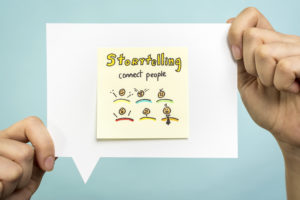 Branding: What Science Says About Engaging People


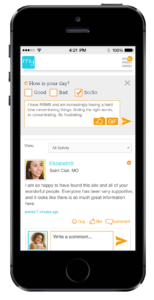
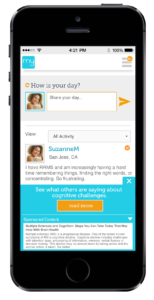
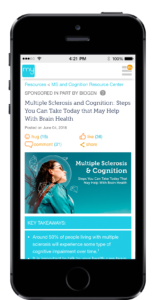

 Many people associate weather conditions with their health and wellbeing. Perhaps you have family members claim to be able to sense changes in the weather because they feel a migraine coming on, friends who swear they can forecast rainfall better than the meteorologists due to increases in pain levels within their joints, or even co-workers who claim to be allergic to certain types of weather. Observations about the interactions between weather and health are not a modern phenomenon. People have been making them for almost 2,500 years—since the writings of Greek physician Hippocrates—and correlations between weather and wellness, if proven, are potentially valuable information for organizations and companies across the healthcare economy.