
Latest News


April 30, 2019 0

Sponsored Content

Personalized Smart Recommendations in social networks

What if Amazon was in charge of patient activation? Personalized, data-driven healthcare solutions would up-end patient activation as we know it. Some biopharma marketers are already doing this today, leveraging social networks to anticipate and address patient needs proactively. Here’s the formula for how they are doing it.

First, think about what Amazon does right after you’ve put something in your cart — like, for instance, band-aids. You see this message: “Customers who bought this item also bought… Neosporin, Children’s Tylenol” etc.. We at MyHealthTeams do something similar in chronic health.

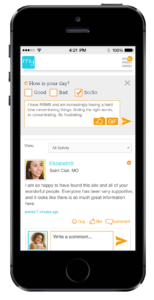
For example, when one of our MyMSTeam members posts about her frustration with memory loss and concentration problems, we automatically surface relevant information that has proven popular among other members facing similar challenges.

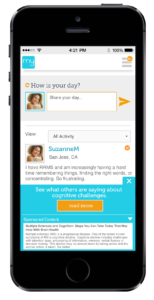
First, a member — “SuzanneM from San Jose” — posts about the fact that she’s having a hard time remembering things, finding the right words or concentrating.

We then automatically surface for her relevant information that other members facing similar cognitive challenges have found useful. We call this a “Smart Recommendation.”

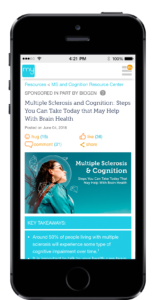
Which makes it easy for her to quickly get to content that addresses her concern and is likely to inspire action. In this example, that content is from the “MS & Cognition” Resource Center we created in partnership with Biogen after research among MyMSTeam members revealed that cognitive dysfunction is a top symptom impacting quality of life and often starts early in the progression of the disease.

We introduced Smart Recommendations with select partners in our social networks earlier this year to personalize patient education and inspire action. They are “smart” in that they are served up contextually based on what a member shares in her post or profile. They are “recommendations” in that we are surfacing information (not medical advice) that others going through the same thing have found helpful. It’s the power of community at work. This is a new way to drive activation.

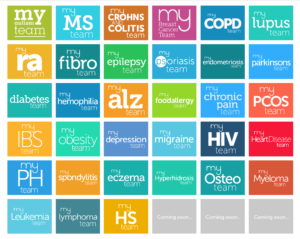
Fueled by natural language processing and machine learning, Smart Recommendations are possible because our members share information, resources and support every day — for 7 years now. With millions of members, 90% of whom are diagnosed patients, across our 32 growing social networks, we see both the challenges people living with a chronic condition face and the information that proves most useful to them — at a personal level and at scale.

This enables our pharma partners to approach Patient Activation differently and truly empower diagnosed patients with timely and useful information.

The click-through rates on Smart Recommendations are through the roof — north of 20%! This shows how hungry patients are for directly relevant, objective information to help them manage their condition. Today’s healthcare consumer is empowered and motivated to play an active role in managing her health. Pharma companies looking to activate patients don’t have to rely on just the doctor channel anymore — in fact, they can’t. By engaging patients where they are in social networks, these companies have started to deliver more of an Amazon-like consumer experience.

Eric Peacock


April 30, 2019 0

Sponsored Content

Many people associate weather conditions with their health and wellbeing. Perhaps you have family members claim to be able to sense changes in the weather because they feel a migraine coming on, friends who swear they can forecast rainfall better than the meteorologists due to increases in pain levels within their joints, or even co-workers who claim to be allergic to certain types of weather. Observations about the interactions between weather and health are not a modern phenomenon. People have been making them for almost 2,500 years—since the writings of Greek physician Hippocrates—and correlations between weather and wellness, if proven, are potentially valuable information for organizations and companies across the healthcare economy.

Today, researchers are working to validate observations about the weather and health, like those above, in novel ways. Biometeorology is a fast-evolving interdisciplinary science that studies the interactions between living organisms, including humans, and atmospheric conditions such as temperature, humidity and rainfall on a seasonal basis. This emerging discipline joins meteorologists with epidemiologists, biologists, computer scientists, and technologists to approach these persistent but difficult to verify connections in new and interesting ways.

Studying the impact of weather on human health and wellbeing is a challenging endeavor. Modern researchers are using data collection and technological tools that weren’t available in the past, including smartphones, cheap and plentiful sensors, complex computer simulations, and platforms that make aggregated data available to the general public as well as researchers.

Arthritis patients very frequently cite the weather as a factor in their condition. But joint pain, morning stiffness, fatigue and mood are very subjective factors, making it difficult to gather large-scale, standardized data about them. This is why the Cloudy With a Chance of Pain study conducted by the University of Manchester in conjunction with other arthritis and governmental organizations in the United Kingdom, is so fascinating. The researchers asked 13,000 participants, all of whom had long-term pain conditions, to record symptoms via a smartphone app each day. Using participant’s phone GPS signals and time stamps, researchers are evaluating correlations between participants’ symptoms and weather conditions. As if that weren’t cool enough, the researchers have made the aggregated data available to anyone online, via an analytics module on their website that allows people to see symptom levels by day and weather condition. You can bet that patients and biometeorologists alike will be paying attention when the University of Manchester researchers release their results this spring at https://www.cloudywithachanceofpaindata.com/

Mobile technology and cheap, ubiquitous sensors are enabling similar advances in the study of how weather conditions affect asthma and respiratory health. Companies including Propeller Health have developed sensors that attach to asthma inhalers and gather data on dosage, inhaler type, and time and location of usage, which can be synced with corresponding weather conditions. Once sufficient data is available, analysis may reveal how different weather conditions worsen or relieve asthma symptoms. The ultimate goal of such research is to reduce the risk of individual asthma attacks though proactive engagement and intervention with patients.

The flu is another illness impacted by the weather being studied in a novel manner. Researchers at leading institutions including University of Virginia’s BioComplexity Institute and Initiative are developing unique flu forecasting methods that use advanced computer simulations to assess flu risk at a highly granular level across the United States. The BioComplexity Institute’s innovative flu forecasting methodology uses a simulated population to model interactions that may lead to the spread of flu. Their model factors in census population data, mobility data (including commuter data and airline travel data), and historical vaccine coverage and efficacy data. When combined with AccuWeather’s weather forecasting expertise and data, these AccuWeather derived localized flu forecasts provide powerful insights at the US county level. To date, the researchers have seen evidence that low humidity and low temperatures allow the flu virus to survive longer, which promotes its transmission. However, more people stay inside during cold and/or inclement weather, which suggests a reduced risk of flu transmission—unless you happen to be stuck inside within someone who is already suffering from the flu.

AccuWeather provides historical, current and forecasted weather data and weather data insights to leading brands, agencies, retailers, medical device companies, analytics firms, and research institutes to help them understand important connections between the weather and wellness. This includes providing weather data and insights to:

  • Research institutes and medical device companies, which want to understand how weather impacts the development and spread of illness and disease;
  • Brands, agencies and retailers, which want to understand how weather influences the demand for products such as cold medicine, tissues and orange juice;
  • Distributors of critical healthcare goods, which need to anticipate logistical disruptions caused by weather events such as snow, hurricanes, and flooding; and
  • Advertisers, which want to boost awareness of products and services at contextually relevant moments to consumers, either on AccuWeather’s digital platforms or their own, e.g, showing ads for hand sanitizer and throat lozenges to consumers located in areas with higher than average flu risk.

Every day, researchers are enhancing our understanding of how weather impacts our health and wellbeing. AccuWeather is proud to work with companies across the entire health care spectrum to ensure that the world’s most accurate weather data can be used to make peoples’ lives better, whether it’s helping a manufacturer develop more effective medical devices or helping advertisers reach AccuWeather users with products and services suited to the health issues associated with the weather they’re experiencing.


About AccuWeather: AccuWeather is the largest and fasted-growing weather media company and global leader in weather-related date, business and predictive analytics.


Disclaimer: AccuWeather is not affiliated in any way with the University of Manchester, Cohero or Propeller Health.  The views expressed by AccuWeather are its own and the studies referenced in this article are solely offered as examples of how weather and wellness are being researched; AccuWeather in no way endorses the outcome of any study.

Scott Sameroff


April 26, 2019 0

Sponsored Content

Healthline Insider Q and A: A series of conversations with experts from the digital, health and marketing industries. Why? Because different perspectives enrich us and make us smarter, stronger, and more aware.

Healthline Insider's Ingrid Eberly sat down for a conversation with our SVP of Media Strategy & Revenue, Dante Gaudio, on the topic of narrative and the power of narrative in health. In his role, Dante spends a lot of time thinking about ways he can help health brands build powerful stories to change people’s lives.

1. What do you mean by narrative? How is narrative different from “brand”?

While “brand” refers to how a product is represented in a person’s brain, “narrative” is the series of connected events, experiences, and stories that get it there. If brand is the destination, narrative is the pathway to it. Narratives are usually about the people who use brands and are communicated in spoken or written words or visuals.

An example of a brand with strong narrative is Whole Foods. What’s your experience with Whole Foods? I’m pretty sure you all have consistent responses: “helps me live more naturally,” “brings the local community together,” “happy and helpful employees.” Even your negative responses are likely consistent: “expensive” and probably “crowded parking lot.” It is these experiences that form the Whole Foods narrative, which feeds the Whole Foods brand.

2. Why is narrative important in healthcare?

Healthcare is at its core science, which can be dense, complicated, and full of unfamiliar language. Narrative helps make healthcare more understandable, approachable, and human.

Whenever I speak to someone who is anti-vaccine, instead of talking about the public health benefits of vaccines, I tell them about my grandfather who had polio: how he struggled every day and lived in an almost constant state of pain and discomfort. I may not convince the anti-vaxxer to change their convictions, but through my personal narrative, I’ve probably opened their eyes to the benefits of vaccines and how they can far outweigh the risks.

And I’ve learned a lot from the editorial team at Healthline about using narrative in healthcare. In a world where health is full of misinformation, isolation, and stigma, we stand against needless complexity, approach the whole person using human stories, and empower transparency. So, instead of genericizing parenting advice for new parents, they show a day in the life of a new parent in all its chaos and confusion. And readers “get it” and connect to it.

3. How does narrative drive consumer behavior?

There’s a ton of research that shows that the human brain interacts with the world via narrative. Think about how you dream: Do you envision bullet points? Or statistics? Probably not. When you dream, your subconscious brain creates a narrative… sometimes really weird narratives, but a series of connected events nonetheless! So, I don’t think narrative drives human behavior… I think it IS human behavior. It’s literally our operating system for interacting with the world around us.

“IF YOU DON’T TELL YOUR STORY… THEN SOMEONE ELSE WILL”

4. What’s an example of narrative driving a product or category?

The best examples are brands that build their narrative around a shared purpose with their customers. So, for example, if you’re a pharmaceutical drug, you don’t just talk about the efficacy, safety, duration, speed of onset, etc. of the drug. You also show how the condition doesn’t allow patients to be there for life’s important moments. You compile real-world coping mechanisms and share them with compassion. You facilitate social support, maybe even humor if appropriate. You show people that you are living the same reality as them, a shift from what a product can do FOR someone to what a brand can do WITH someone. That’s the power of narrative.

5. How does one build a narrative around a health topic or a health brand?

First, you have to be grounded in facts: who is affected, what obstacles they face, and how you can be an ally. You need to bring empathy and understanding to this knowledge. And if you can, personalize it. Think about how to adjust or update your narrative based on the experiences and expectations of the different audiences you’re engaging with.

With these insights, be deliberate about developing the narrative with key stakeholders. Commit to what you stand for, how you want people to feel, and what change you want to make (be) in this world. Then train your advocates, partners, employees, and agencies to stay consistent.

Once you’ve created your narrative, you need a plan to disseminate your stories internally and externally. Tell them in many ways — on your website, in your ads, through your brand advocates and partners. Put them out there, and let them build their own momentum.

Pharma marketers probably get nervous when they hear things like “put them out there” and “build their own momentum.” Sure, pharma brands can’t go organic with their brands, but they can around conditions or patient situations. And if they can’t do it themselves, they can rely on partners to build the narrative on their behalf.

6. How do you distinguish good content from not-so-good content?

My criteria are simple. Did it engage or inspire me? Did it surprise me? What did I learn? And what am I going to do after engaging with it? Hint: Content grounded in a really good narrative is likely to hit on all of the above!

I’ll close by stating an old PR and communications adage, “If you don’t tell your story… then someone else will.”


Are you tasked with sparking real conversation and brand stories? Come talk to us about leveraging narratives to build brands. Contact us at corpmarketing@healthline.com.

About Healthline
As the fastest growing health information source, the Healthline property engages 77 million unique visitors per month (comScore, January 2019). We provide real health information with a real human approach.

Ingrid Eberly

point-of-care_POC_doctor_patient_shutterstock_411558838-Converted-01-1200x800.png

April 26, 2019 0

Sponsored Content

A varied media mix that includes effective print tactics, is fundamental to unlock the full value of a Point of Care sponsorship program.

Like numerous other media environments in recent years, the Point of Care landscape has become increasingly focused on digital platforms.  From televisions to touchscreens, providers have created a wealth of technology for marketers to engage patients and consumers.  Yet most doctors’ offices continue to welcome a variety of magazines, posters, wallboards, and brochures throughout their locations.  By capitalizing on these diverse engagement tools, marketers can unlock significant consumer action.  In fact, Nielsen cites that a media mix that incorporates print and digital assets can drive as much as 30% higher ROI[1] – meaning that your campaign can play a vital role in the patient journey. With the ability to “own” platforms that are more transportable and offer distinct take-away value, brands can diversify their POC messaging through print materials, all while gaining 100% share-of-voice.

Reinforcing your brand message with a dynamic media mix
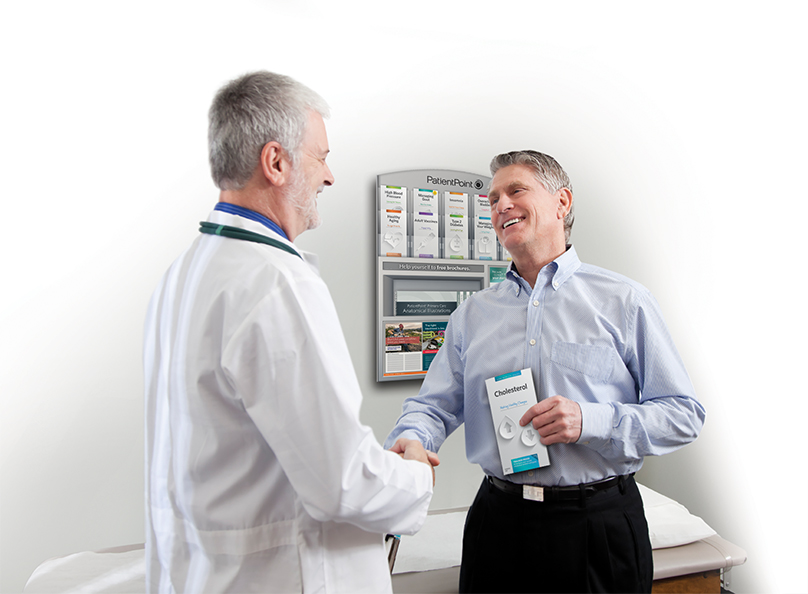
Since its origin, the Point of Care industry has worked diligently to develop its venues to be turn-key marketing environments that offer valuable information to a wide array of consumers and caregivers.  Its channels prioritize efficiency for advertisers by eliminating costly, time-consuming creative versioning through standardized adverting units.  This uniform approach also allows a simplified, multi-channel strategy to engage consumers through multiple touchpoints with only a few required assets.  Waiting room video messaging can be easily reinforced through condition guide sponsorship placed in examination rooms.  Examination room tablet interstitials can boost click-through rates by introducing the brand through a waiting room wallboard before the doctor discussion.  In each case, the brand can boost exposure with static tools by leveraging traditional magazine advertising spreads.  These reinforced campaigns have proven to be incredibly powerful with consumers.  In recent Mesmerize programs, sponsorships that utilized a waiting room wallboard and a hyper-targeted mobile ad unit drove three times greater ROI than standard print programs alone.  Furthermore, those programs prompted nearly five times the national click-through average for mobile banners[2].  Indeed, brand reinforcement across multiple platforms offers a powerful boost, especially for targeted campaigns – and all with cost and time efficiency.

Target your customers by venue and by platform

Targeting remains the consistent recipe for success with all POC tactics – and where the true value of marketing lies in this channel.  Segmentation through client-supplied list matching, medical specialty selection, or audience demographics can curate venue lists to ensure maximum exposure to the appropriate audience.  Since the start of Point of Care promotion, marketers have created media mix strategies that utilized the space for its hypertargeting abilities.  Now that the industry has matured, it is imperative that brands utilize a varied approach within their POC plans as well.

As CMI recently noted, the strategic benefits from print-based tactics complement and reinforce digital messaging and significantly impact consumer engagement.  Furthermore, by understanding the specific audience target, marketers can segment a venue to reach various factions through the tactics they relate to best.  For example, physicians who are accustomed to reading printed materials will likely respond more strongly to a customized guide, while digital tactics in the waiting room can occupy time for patients anticipating their physician visit.[3]

Digital media has a solidified place in healthcare marketing and Point of Care remains a powerful proving ground for those tactics.  However, by adopting a diversified strategy that employs a variety of tools – including static media – marketers can optimize their POC spending to ensure maximum engagement, all with superior targeting and access that has offered repeated success in this channel.


References

[1] Tsvetkov, Tsventan. (2018, August 8). “Perspectives: The Easier Way To Drive Higher Marketing ROI,” Retrieved from https://www.nielsen.com/us/en/insights/news/2017/perspectives-the-easier-way-to-drive-higher-marketing-roi.html

[2] Mesmerize, (2019, January 21). “Consumer Packaged Goods 2019 Mobile Case Study”.

[3] Marvel, Darcy, Cooper. (2019, 14 March). “The Importance of Print Media in Today’s NPP Channel Mix,” Retrieved from https://www.cmimedia.com/insights/povs/the-importance-of-print-media-in-todays-npp-channel-mix


Craig Mait


April 26, 2019 0

Sponsored Content

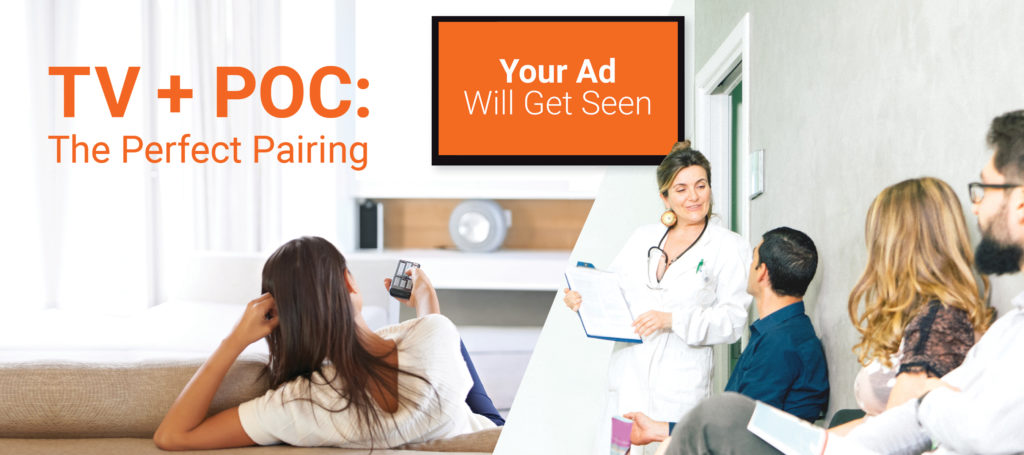
What’s the best pharma ad you see running on TV right now? I bet you could sing the jingle, but do you remember the specific brand? I’m the odd one that uses my DVR to skip TO the commercials – but you and I are not the average healthcare consumers. That’s why, despite the strength of TV, when it comes to messaging to patients, you have to pull that message through when they are going to be most receptive – in the doctor’s office.
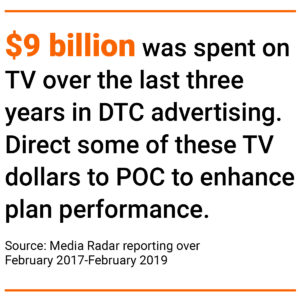
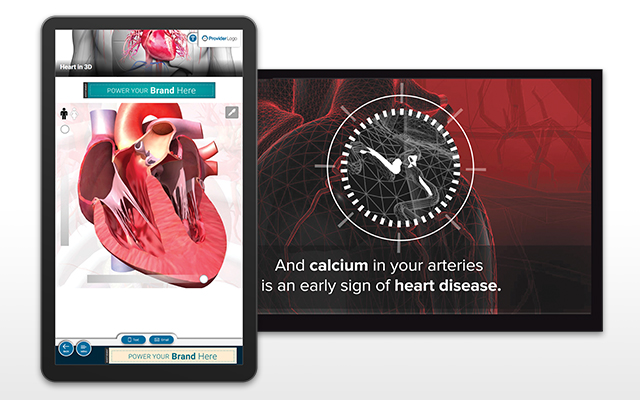
There are a multitude of rationale for your TV-driven media plan to include POC to complement it. Here are a few important points:

  • Add POC to the mix, and every other channel benefits. Evidence shows POC can help lift the returns of not only TV, but other media in a plan as well. A recent Crossix study found net conversion rates and new patient starts were significantly higher for those multichannel plans that included POC. (For the full data, check out our white paper mentioned at the end of this piece.)
  • Show patients a deeper side. Beyond traditional TV commercials, POC gives brands the ability to showcase longer, in-depth videos that will resonate with a very specific and sought-after audience. Think testimonials, patient savings, and clinical trial recruitment messages.
  • Secure more face time with patients and HCPs at the doctor’s office. There is no seasonality when it comes to visiting the doctor; patients will go throughout the entire year. Each $1 million spent on POC affords more months of in-market presence than what it buys in primetime TV.
  • Target the right patients in the right locations. Reaching the right audiences based on their viewing, reading, listening, or online habits can be a challenge with other media channels. POC enables you to hyper-target to condition and treatment status while individual office level targeting allows for tailored messaging to these specific audiences.


With media planning, an “either/or” mindset isn’t necessary. Tradeoffs don’t necessarily have to mean excluding an entire medium; you can add POC while not compromising the effectiveness of your TV plan. With a long and proven track record of success, POC has the power to maximize the overall effectiveness of your entire multichannel plan. Even if your plan already generates a high return, it’s worth adding POC to realize even higher ROI and incremental revenue.

Read an industry expert’s point of view on why TV and POC make the perfect pair here: www.patientpoint.com/dtc

Linda Ruschau

DALL·E-2024-03-30-21.36.24-A-simple-line-drawing-with-a-minimalist-design-set-against-a-vibrant-crimson-background.-The-image-should-feature-a-central-hear.jpg

August 17, 2017 0
Sponsored Content

Every 42 seconds, someone in the US has a heart attack. Each minute, someone dies from a heart disease-related event.1

Even though heart disease remains the leading cause of death in the US, many adults are uninformed of the causes, symptoms and proper treatment of heart-related conditions. In fact, according to PatientPoint research, over half of patients who are treated for heart health said their issues were unexpected. Further studies have found 70% of adults are not familiar with symptoms associated with heart disease.2

As these statistics reveal, the need for education and support materials for patients at the point of care is paramount – and critical to pharma companies’ success. Because if heart health isn’t top of mind for most adults, it’s likely your treatment isn’t, either. And with nearly half (47%) of cardiologists now restricted, gaining awareness among physicians is also a growing challenge.3

To ensure the right message is delivered to these heart “unhealthy” patients at the right time, PatientPoint conducts in-depth research in the space. Here’s a snapshot of patients who visited cardiologist offices installed with the PatientPoint Communicate – Cardiology Waiting Room Digital Screens Program:

  • Average age: 60 years
  • Gender: 60% female
  • Race: 79% white / Caucasian
  • Employment status: 59% retired
  • 42% are accompanied by another adult
  • 59% want to lose weight
  • Top conditions identified to be at risk for or diagnosed with: high blood pressure / hypertension (72%), high cholesterol (68%), arthritis (55%), heart disease (53%), heart attack or cardiac event (48%)

This information enables us to develop content specifically tailored to these conditions, gaining unprecedented positioning as a trusted consultant to our partners – clients, physicians and patients – to ensure their message makes the most impact at each important moment.

Let’s look at each of these points a little more closely:

  • Waiting room: Patients say the waiting room is often the most stressful part of their visit to the doctor. Reinforcing your brand message alongside easy-to-understand digital information regarding heart health, healthy living tips and personalized messages from the practice will put your brand top of mind right before patients visit with the doctor. Heart patients don’t want to hear about arthritis content. We speak the patient language.
  • Exam room: Once in the exam room, patients crave in-depth education. Interactive touchscreens bring health information to life, whether it’s through a personalized quiz, short article or a brand testimonial video. Once the doctor arrives, he’s likely to use the touchscreen to show the patient exactly what’s happening in her heart via full-color, 3D anatomical models. It’s here where your brand can provide the support and savings information to help guide discussions and, ultimately, decision-making.
  • After the visit: Because the risk factors for heart disease and stroke are directly related to lifestyle choices, continual engagement between provider, pharma company and patient is important to ensure treatment success. We know those age 45-64 (the common age range for the onset of many cardiovascular conditions) still see print as a valuable information resource,4 and including your message in brochures patients can take home and reference later will help reinforce your brand as part of the solution to living a longer, healthier life.

The scale of the cardiovascular market is driving greater demands of quality outcomes data. Providing the right education to patients and providers at the right moments will help pharma companies remove barriers to access and support long-term adherence.


References

  1. American Heart Association, 2015
  2. Cleveland Clinic survey, 2014
  3. ZS Associates, “AccessMonitor,” 2015 Executive Summary
  4. 2015 Two Sides North America

Linda Ruschau


June 28, 2017 0
Sponsored Content

As patient centricity continues to become the industry priority, the need to get the right information to the right patients at the right time in the right format is more important than ever—especially for pharma.

Our recent white paper touched on the disconnect patients feel with pharma companies. Today, only 9% of patients say pharma does all it can to help.1 That is, if these patients even know who the pharma companies are: Nearly 40% of patients don’t know any of the companies behind their treatments.2

I’d venture to guess, however, if pharma companies offered these patients the information they needed, in the format they desired, at each point in their healthcare journey, those stats would quickly change. They are for our clients, at least, who are leveraging a variety of our point-of-care solutions.

No marketing campaign is complete today unless it covers a variety of channels – digital, social, mobile and, yes, even print. We know different media will work more effectively for different demographics and different locations and different specialties. That’s why the PatientPoint solution set features the widest range of channels in the POC market; each is meant to maximize the meaningful impact pharma brands can have on patients.

Take, for instance, a 50-year-old man waiting to see his urologist. It’s unlikely he’s willing to grab a brochure on ED in front of others in the waiting room. But he will watch a digital screen displaying a segment on his condition. Once he gets into the exam room, we know he prefers more in-depth printed pieces he can read and refer to later when deciding on treatment.

How to communicate with your target audiences doesn’t need to be an either/or decision between print and digital. Both are perfect complements to each other – and both are necessary to a holistic, satisfactory patient experience.

That’s why I’m always surprised when I read articles declaring print as a communication of the past. It’s certainly not true in our industry – just ask our clients who are using our print program as part of their multi-channel marketing strategy and seeing great results (as in +12.5% incremental NRx).

Print remains a vital part of the patient experience and an important connecting point to both patients and physicians:

  • More than half of patients rank printed brochures or booklets that give disease or drug information as the most useful communication method3
  • 55% of HCPs say they rely on printed communications when talking with patients over any other form of communication4

Having your brand be a part of trusted materials a physician hands to his or her patients offers a unique level of credibility and implied endorsement. It also shows you’re considering many patients’ personal preferences, which will help relieve some of that disconnect patients are feeling, which I mentioned earlier.

In the end, what matters most is the experience created for patients. A communication strategy that combines a variety of media offering highly relevant, personalized content will ultimately power the greatest effectiveness.


References

  1. MM&M, “Patient Engagement: All Grown Up—Patient Engagement Comes of Age,” 2015
  2. Ed Miseta, “Patient Survey: Tech Use Up, Pharma Disconnect Remains,” Clinical Leader, 2017
  3. eyeforpharma/Health Perspectives Group report, 2017
  4. Marc Iskowitz, “In health education, providers prefer paper: study,” MM&M


Linda Ruschau