Latest News


digital-disruption-shutterstock_1590208255.jpg

January 16, 2024 0

Digital disruption is forcing a reevaluation of how to connect with patients. Responding to a series of major events—from upheaval at Twitter to the phasing out of third-party cookies—brands are adopting nimbler, more data-driven models that empower them to quickly switch tactics as the operating environment changes and they learn which approaches work best.

Amy Patel, Phreesia’s Director of Analytics, discussed this transforming landscape on a Digital Pharma East 2023 panel that weighed the best ways to reach patients in a world that is “increasingly complex, ever-changing and full of more and more obstacles and challenges,” as she described it.

The phasing out of third-party cookies was a major panel focus. Deprived of a resource that has long been a cornerstone of online engagement, teams now are putting more emphasis on collecting first-party data with consent. Lisa Frankina, Director of Digital Marketing for VIVITROL® at Alkermes, explained how her company works to build trust so that patients feel comfortable sharing their data.

“You want to connect with your audience and emotionally connect with patients,” Frankina said. “What we try to do is amplify the patient voice with first-hand testimonials—a video of someone who has actually been in that position—so that the content is relatable in order to make that authentic connection.”

In the previous, cookie-enabled world, brands could put their materials in front of patients no matter where they were on the internet. Lacking that option today, Natalie Wills, Associate Director of Marketing at Blueprint Medicines, is rethinking how Blueprint can ensure that patients see its content. Some of the new questions her team is asking include: “Where are patients looking for information? Are there ways we can reach patients outside of relying on cookies and data? Where we can put articles out there in the world where patients can find us and come to us?” Wills said.

Brands need a range of ways to connect with patients—and be willing to activate, optimize and switch tactics mid-campaign, the panel agreed. Grace Rodriguez, Head of DTC Portfolio Marketing, iPVU at UCB, described how those necessities manifest at her company.

“Having that nimbleness to really ensure that we are optimizing our spend and reaching those patients, while getting all of the data that we can to really tell that story, is pretty much No. 1 for us,” Rodriguez said. “What are those KPIs per channel, per tactic, per partner? If we’re not delivering on that, then you optimize or you move on.”

The capacity to pivot quickly is reshaping the media-planning cycle, too. The panelists explained that they now continually monitor how different aspects of a campaign are performing and adjust their approach as necessary throughout the year.

“We’ve built more flexibility into our media plans this year than in any year I ever have worked in this space,” said Jack Vance, Managing Director of Data and Activation at SOLVE(D), An IPG Health Company. “Every one of these media plans has a bucket of dollars, and we say ‘We’re going to decide where these go later in the year; we’re going to pick whichever platforms are working really well.’ ”

As Vance explained, a wait-and-see spending model requires brands to frame their definition of success at the start of a campaign, measure how its results compare to that agreed-upon definition and take action if performance falls short of expectations.


Nick Paul Taylor

MIDJOURNEY-2024-with-medicine.png

January 8, 2024 0
As we move into 2024, the direct-to-consumer (DTC) pharmaceutical marketing landscape is undergoing significant transformations. With an evolving regulatory environment and advancing digital platforms, marketers need a forward-thinking strategy to stay ahead. This article will guide you through the forecasted trends and necessary adaptations for your campaigns this year.

Digital Domination in DTC Marketing

The digital realm continues to expand, becoming an ever-more vital component of pharmaceutical marketing strategies. Consumers are increasingly turning to online resources for health information, making digital platforms an essential touchpoint for DTC campaigns. Incorporate interactive and personalized digital experiences to engage your audience effectively.

Empathy-Driven Content

As patients seek more relatable and understanding communication, empathy will be a central theme in content creation. Crafting messages that resonate with the patient’s journey and emotional state can foster a stronger connection and trust between the consumer and the brand.

Regulatory Adaptability

2024 brings with it a wave of regulatory changes impacting DTC pharmaceutical marketing. Staying abreast of these changes and understanding their implications is crucial. Ensure your marketing team is well-informed and agile, ready to adapt strategies as regulations evolve.

Data-Driven Personalization

Utilizing data analytics to personalize marketing efforts will be more critical than ever. Understanding consumer behavior, preferences, and needs allows for more targeted and effective campaigns. Invest in robust data analysis tools and expertise to refine your marketing approach continually.

Collaborative Partnerships

Building partnerships with healthcare providers, tech companies, and patient advocacy groups can amplify your marketing efforts. Collaborative initiatives can provide valuable insights, extend your reach, and enhance credibility. Explore and cultivate strategic partnerships that align with your brand values and goals.

Sustainability and Social Responsibility

Consumers are increasingly aware of and concerned about environmental and social issues. Incorporating sustainable practices and demonstrating social responsibility can significantly impact brand perception and loyalty. Ensure your marketing messages and business practices reflect a commitment to these values.

Telehealth Integration

The rise of telehealth presents new opportunities for DTC pharmaceutical marketing. Integrating your marketing efforts with telehealth platforms can facilitate direct engagement with consumers and provide valuable insights into their preferences and behaviors. Embrace this trend by partnering with telehealth providers and creating seamless digital experiences.

Conclusion

As 2024 unfolds, the direct-to-consumer pharmaceutical marketing industry will continue to evolve, driven by digital innovation, regulatory changes, and consumer expectations. By embracing these trends and preparing for the future, marketers can develop robust strategies that ensure success in this dynamic landscape. Stay informed, be adaptable, and focus on creating genuine connections with your audience to thrive in the world of DTC pharmaceutical marketing.

admin

DALL·E-2023-12-01-15.04.59-Professional-digital-artwork-for-a-mental-health-conference-poster-with-a-focus-on-realistic-and-neutral-colors.-The-artwork-should-depict-alternativ.png

December 1, 2023 0

In a healthcare world rapidly evolving beyond one-size-fits-all solutions, we are at the cusp of a significant shift. Traditional mental health treatments, while effective for some, often fall short for others, leading to a growing interest in alternative therapies. This change is driven by varied and complex reasons, from cultural beliefs and stigmatization to practical barriers like cost and accessibility.

Diverse Reasons for Disengagement from Traditional Treatments:

  1. Cultural and Societal Influences: Many individuals, particularly from ethnic minority backgrounds, disengage from traditional mental health treatments due to cultural stigma, poor insight into their condition, and distrust in the healthcare system​​​​​​.
  2. Gender and Age Dynamics: Younger people, especially males, often face unique challenges like balancing autonomy with family expectations, internalizing stigmatizing messages about mental illness, and concerns about medication dependency​​​​.
  3. Economic Disadvantages and Healthcare Access: Economic barriers significantly impact engagement with mental health services. The cost of medications, particularly for those with limited financial resources like young people and economically disadvantaged women, often leads to nonadherence or discontinuation of treatment​​​​​​​​.
  4. Concerns During Pregnancy: Pregnant women frequently prefer nonpharmacological interventions over antidepressant medications due to concerns about the effects of these drugs on their unborn children and a preference for psychotherapeutic approaches like interpersonal therapy and mindfulness-based cognitive therapy​​.

The Need for Alternative Treatments: Given the diverse reasons for disengagement from traditional pharmaceutical treatments, there's a pressing need to explore and embrace alternative therapies. These include but are not limited to:

  • Psychedelics and Marijuana: Substances like ketamine and marijuana have shown promise in treating conditions inadequately addressed by conventional medications. However, they require a sensitive marketing approach that respects legal and societal norms.
  • Holistic Therapies: Incorporating holistic practices such as yoga and acupuncture can provide a more comprehensive approach to mental well-being, appealing to those seeking less conventional methods.
  • Personalized Treatment Approaches: Tailoring treatments to individual cultural, social, and economic backgrounds is crucial. This approach can help bridge the gap between traditional and alternative therapies, making mental health care more inclusive and accessible.

The mental health care landscape is shifting towards a more inclusive and personalized approach. By understanding the various reasons behind the disengagement from traditional pharmaceutical treatments and the growing interest in alternative therapies, healthcare professionals and marketers can better address the needs of diverse populations. The future of mental health care lies in embracing this diversity, ensuring treatments are accessible, culturally sensitive, and responsive to the unique needs of every individual.

As we embrace a more inclusive and personalized mental health care landscape, the Xpectives.Health Summit emerges as a pivotal platform for professionals. The summit will cover:

  1. Current Landscape: Delve into the latest advancements in alternative mental health therapies, understanding the evolving dynamics of the field.
  2. Comparative Advantages: Analyze how these therapies compare with traditional treatments, highlighting their unique benefits.
  3. Legal Framework: Gain comprehensive insights into the legalities surrounding the administration of these alternative treatments.
  4. Pharmaceutical Involvement: Explore the role of pharmaceutical companies in researching and developing groundbreaking therapies.
  5. Effective Communication: Master the nuances of communicating the medical advantages and potential risks of these treatments to patients, ensuring informed decision-making.

Attending the Xpectives.Health Summit is crucial for professionals in healthcare marketing, offering invaluable insights and networking opportunities to stay at the forefront of this evolving sector.


REFERENCES

  1. National Center for Biotechnology Information (NCBI). “Poor insight was identified as a reason for nonadherence…” Link.
  2. National Center for Biotechnology Information (NCBI). “Younger age, male gender, ethnic minority background…” Link.
  3. Cambridge University Press. “Over the course of a year, about three-quarters…” Link.
  4. Psychiatry Online. “Individuals with serious mental illness and providers differed…” Link.
  5. National Center for Biotechnology Information (NCBI). “Most commonly reported associations of disengagement appear to be…” Link.
  6. BMC Public Health. “Finding the right medication that reduced symptom severity…” Link.
  7. BMC Public Health. “Young people persevered with taking medication…” Link.
  8. BMC Public Health. “Adolescence is also a time of shifting from a focus…” Link.
  9. BMC Public Health. “Increases in psychotropic medication use…” Link.
  10. BMC Public Health. “Six key themes were identified in the data…” Link.
  11. PubMed. “Women disadvantaged by poverty, as well as racial or ethnic minority status…” Link.
  12. PubMed. “Depression during pregnancy is a significant public health problem…” Link.

admin

Background-FEMTECH-1200x570.jpg

November 8, 2023 0

Femtech is revolutionizing women's health care, and it's about time! This isn't just another tech trend; it's a major shift in how women access and manage their health. From period-tracking apps to breast cancer detection innovations, femtech is making waves and transforming lives. Let's dive into some groundbreaking examples of femtech and see how they're making a difference. And for those hungry for more, the Women's Health Business Track at the Xpectives.Health Summit in April 2024 is the place to be!

Innovations in Femtech: A Closer Look

  1. Digital Health Platforms: Apps like Clue and Flo have revolutionized menstrual tracking, offering women insights into their reproductive health. These platforms provide personalized data, predict menstrual cycles, and help in understanding fertility windows, thus empowering women to make informed health decisions.
  2. Wearable Health Monitors: Wearables like Bellabeat and Ava provide real-time health monitoring. They track parameters like sleep, stress, and reproductive health, offering a comprehensive overview of a woman's health status.
  3. Telehealth Services for Women: Companies like Maven Clinic offer telehealth services specifically for women, providing access to specialists in areas like fertility, mental health, and pregnancy. This approach has significantly reduced barriers to accessing expert healthcare advice.
  4. Breast Cancer Detection Technologies: Innovations like the smart bra, equipped with sensors for early detection of breast cancer, signify a breakthrough in proactive health management, offering a non-invasive method for regular monitoring.
  5. Fertility Tech: Technologies such as in-home fertility monitoring devices have demystified fertility issues, providing women with accurate information about their reproductive health in the comfort of their homes.

Impact on Women's Healthcare

The advent of femtech has had a profound impact on women's healthcare:

  • Enhanced Access: Femtech solutions provide women with more control over their health, especially in regions where access to healthcare is limited.
  • Personalized Care: With data-driven insights, women receive personalized healthcare, tailored to their unique needs.
  • Preventive Health: Early detection technologies in femtech encourage a preventive approach to health, leading to better outcomes.
  • Breaking Taboos: By addressing issues like menstrual health and fertility openly, femtech is breaking longstanding taboos and normalizing women's health discussions.
  • Informed Decision-Making: Access to accurate health information empowers women to make informed decisions about their bodies and health.

Xpectives.Health Summit: A Platform for Further Learning

The Xpectives.Health Summit in April 2024, particularly the Women's Health Business Track, presents an unparalleled opportunity to delve deeper into these advancements. Attendees can expect to:

  • Engage with Industry Leaders: Hear from pioneers in the femtech industry, sharing insights into the latest innovations and research.
  • Explore Case Studies: Learn from real-world examples of how femtech is making a difference in women's lives.
  • Participate in Workshops: Engage in interactive sessions, understanding the application of femtech in various healthcare settings.
  • Network with Peers: Connect with healthcare professionals, marketers, and innovators, fostering collaborations that could shape the future of women's healthcare.
  • Discover Future Trends: Get a glimpse into the future of femtech and its role in evolving women's healthcare.

Femtech is more than just a buzzword; it's a powerful movement propelling women's healthcare into a new era. The Xpectives.Health Summit is the ideal platform to explore, learn, and contribute to this exciting field. It's not just a conference; it's a community coming together to shape a healthier future for women everywhere. Join the revolution at the Women's Health Business Track in April 2024!

admin

diversity-and-inclusion-medium-shutterstock_2215145831.jpg

November 7, 2023 0

Imagine you're a patient needing treatment, but the medicine was only tested on a group that doesn't include people like you. That's a big problem in healthcare today, as many clinical trials lack participation from diverse groups. This lack of representation presents numerous challenges but also offers opportunities for meaningful change.

Barriers to Diversity in Clinical Trials

  1. Underrepresentation: Black and Hispanic Americans, who make up a significant portion of the U.S. population, are markedly underrepresented in clinical trials. This gap limits their access to new therapies and affects the generalizability of treatment safety and efficacy to non-white patients​1​.
  2. Logistical Challenges: Many potential participants face practical barriers such as lack of childcare, health insurance coverage, transportation, language barriers, and low health literacy. These challenges often lead to a decline in trial participation​1​.
  3. Mistrust and Historical Injustices: Past abuses in medical research have left a legacy of distrust, particularly among certain racial and ethnic groups. This mistrust is a significant obstacle to participation​1​.
  4. Implicit Biases: Unconscious biases among clinicians result in fewer minority patients being referred to clinical trials, even when they are eligible. Such biases often stem from assumptions about patients' understanding and willingness to adhere to study protocols​1​.
  5. Economic and Institutional Hurdles: High start-up costs and assumptions about the experience of staff at new sites can deter clinical trial sponsors from establishing accessible sites for minority populations​1​.
  6. Restrictive Study Designs: Eligibility criteria often exclude patients with comorbidities, which disproportionately affects minorities, thereby limiting their participation in trials​1​.

Making Strides Towards Inclusivity

  1. Community-Based Approaches: Establishing research offices in minority communities and using culturally sensitive recruitment tools have shown success. For instance, in Washington D.C., such strategies led to a significant increase in black participants in clinical trials​2​.
  2. Patient Navigators: Employing patient navigators who can help identify and screen minority candidates for trials, especially in places where they are receiving care, can be an effective strategy. These navigators are familiar with the system and trusted by potential candidates​2​.
  3. Programs like EMPACT and OWN-IT: Initiatives like EMPACT develop patient navigation programs tailored to minorities' needs. OWN-IT, meanwhile, focuses on integrating the cancer center with the community to promote trust and participation. For example, in New Haven, Connecticut, the OWN-IT program led to trials promoted by Yale Cancer Center having 50% minority participation​2​.
  4. Expanding Trial Sites to Underserved Areas: Placing trial sites in underserved communities and non-traditional locations such as community health centers can improve trial diversity​3​.
  5. Diverse Investigators and Staff: Having racially and ethnically diverse investigators and staff helps in building trust and ensuring cultural competence in trials​3​.
  6. Data-Driven Recruitment: Leveraging real-world data to identify appropriate patients for clinical trials can enhance the diversity of participants​3​.

Looking Forward

By embracing these approaches, we're not just ticking boxes; we’re making healthcare better and more effective for everyone. It's a big task, but the payoff – treatments that work for all patients – is well worth the effort.

References

  1. American Association for Cancer Research (AACR). “AACR Disparities Meeting: Finding Solutions to Diversify Clinical Trials.” [Online]. Available: https://www.aacr.org/blog/2021/11/05/aacr-disparities-meeting-finding-solutions-to-diversify-clinical-trials/
  2. JNCI: Journal of the National Cancer Institute, Oxford Academic. “Strategies To Boost Minority Participation in Clinical Trials,” Sherrie Flynt Wallington, Ph.D., and colleagues. [Online]. Available: https://academic.oup.com/jnci/article/109/4/djx076/3611010
  3. Pharmaceutical Research and Manufacturers of America (PhRMA). “Five Key Strategies for Enhancing Diversity in Clinical Trials.” [Online]. Available: https://phrma.org/resource-center/Topics/Equity/Five-Key-Strategies-for-Enhancing-Diversity-in-Clinical-Trials

admin

telehealth-medium-shutterstock_2139345379.jpg

September 28, 2023 0

The point of care has changed dramatically over the past few years, with virtual platforms emerging as a major forum for patient-provider interactions. And that means DTC campaigns need to change, too.

A Phreesia survey of almost 2,000 patients added to evidence that the pandemic has had lasting effects on telehealth usage. More than one-third of survey respondents reported having had a virtual visit with a doctor in the past six months, and 84% of patients said they were at least “somewhat likely” to have a telehealth appointment within the next 12 months.

Those findings suggest that campaigns that focus exclusively on physical doctors’ offices will fail to reach a sufficient audience. Liz Dexter, Vice President for Point of Care at Publicis Health Media, explains how these findings inform strategy.

“We’re always evolving our approach depending on where patients are receiving care,” Dexter says. “It’s really changed a lot in the past three years. As care evolves, we have to evolve. We need to follow trends to make sure we are integrating in appropriate places to reach patients where they are.”

The relocation of many patient-physician encounters from the physical to the virtual realm is leading brand teams to confront new questions. Opportunities to connect with patients through telemedicine platforms still remain limited, Dexter says, but as the technology continues to evolve, it’s important to keep thinking about how to most effectively use it.

And because telemedicine is employed in different ways depending on the care scenario, campaigns need to reflect those differences to achieve best results, Dexter says. That means taking a bespoke approach to each specific use case, something she thinks is especially important.

“Ultimately, we want to empower patients around their telemedicine appointments, providing the right message to the right person at the right time,” Dexter says. “We need to understand how patients and HCPs are actually using telemedicine in specific-use cases, and then provide them with messaging that’s valuable in that moment.”

Phreesia’s survey found that many patients are receptive to receiving resources before, during and after their telehealth appointments. When asked what resources they most wanted, 36% of patients expressed interest in receiving medication information relevant to their condition, as well as guidance on support programs for their health issues (26%) and doctor discussion guides (22%).

The ability to provide patients with such personalized resources as doctor discussion guides makes telehealth platforms highly attractive, but it’s vital that the resources they offer are actually useful to patients.

“We want to provide something of value in this dynamic,” Dexter says. “We don’t just want to have a promotional message wherever we can get one in. We want it to be thoughtful and meaningful, and helpful to both the HCP and patient.”

In that regard, virtual campaigns are much the same as in-office campaigns. The goal is still to motivate patients to discuss their symptoms and treatment options with their physician and empower them to have the conversations that can ultimately improve their health. Telehealth offers new opportunities to do just that, while delivering tailored messaging and achieving measurable outcomes.

Nick Paul Taylor

lung-and-stethoscope-COPD-shutterstock_2123591477-MEDIUM.jpg

September 13, 2023 0

Chronic lower respiratory diseases are the sixth leading cause of death in the U.S., making them more deadly than conditions such as Alzheimer’s disease and diabetes.1 The good news is that there are several medications available to treat this group of illnesses, which include chronic obstructive pulmonary disease (COPD), and improve these individuals’ quality of life. But many patients aren’t having the conversations necessary to make that happen.

COPD patients’ symptoms include cough and shortness of breath.2 However, COPD manifests differently from patient to patient and sometimes develops very slowly. The lack of a clear signal that something is wrong means people need prompting to talk to their doctor about their breathing problems.

“Many people don’t even know they have COPD. They experience symptoms that they consider part of normal life progression and essentially learn to live with them,” says Norbert Feigler, MD, Senior Medical Director, Respiratory at AstraZeneca. “Estimates [suggest] as many as half of American COPD patients [are] not yet diagnosed.”

As COPD progresses, daily activities become more difficult, but the process is gradual. An individual may start to walk more slowly or avoid going up steps, incrementally—and often imperceptibly—adapting their lives so that they don’t get out of breath. When their physician asks how they’re doing, they may say they are fine, minimizing their experiences because they have adapted to an undiagnosed illness

That scenario creates an ideal opportunity for direct-to-consumer messaging, particularly at the point of care. If campaigns can help patients recognize that their symptoms and subtle lifestyle changes may be signs of a lung disease, they can encourage conversations between patients and their doctors that may lead to more timely treatment. And, since COPD-related lung damage is permanent, cutting the time to diagnosis can only improve outcomes.

“It can be particularly mentally and emotionally tolling when a patient is first diagnosed, knowing the damage to their lungs is irreversible,” Dr. Feigler says. “This is why it’s important for patients to recognize the signs and symptoms of COPD, driving earlier diagnosis, and ultimately allowing physicians to employ a more proactive approach to disease management.”

Point-of-care campaigns can play a vital role in minimizing that damage, as well as its psychological toll, by encouraging patients to talk to their physician when they first notice possible signs of COPD. Such campaigns can help those who are already diagnosed, too. A Phreesia survey of 1,994 COPD patients found that fewer than half (44%) of diagnosed COPD patients had had detailed discussions with their doctor about their breathing symptoms. In a potentially related finding, 34% of respondents said they lacked a full understanding of their condition.

Those results suggest that COPD patients may be missing out on treatments and lifestyle changes that could improve their quality of life and health outcomes. Albert Rizzo, MD, FACP, Chief Medical Officer at the American Lung Association, explains how educational campaigns can benefit COPD patients.

“One of the best things to help a COPD patient is to educate them about the importance of staying active” Dr. Rizzo says. “You don’t have to do 30 minutes on a treadmill every day, but walking to the mailbox, doing the steps once or twice a day, just trying to maintain a level of activity, can go a long way in helping them feel like they have better control in their day-to-day activities.”

An estimated 12.2 million Americans have been diagnosed with COPD, but even more are living with the disease without a diagnosis. Those numbers indicate that DTC campaigns that change the awareness and behaviors of even a fraction of those suffering with COPD can have a huge impact and address a great unmet need by encouraging patients and providers to work together to identify symptoms, diagnose COPD earlier and ultimately shift the standard of care to a proactive approach to disease management.

References

  1. “Leading Causes of Death,” National Center for Health Statistics, Centers for Disease Control and Prevention, Jan. 18, 2023.
  2. Lee, Y.-C., Chang, K.-Y. & Sethi, S. Association of Chronic Lower Respiratory Disease With County Health Disparities in New York State. JAMA Netw Open.2021;4(11):e2134268. doi:10.1001/jamanetworkopen.2021.34268

Nick Paul Taylor

Information-Overload-shutterstock_1292605939-Converted.png

May 15, 2023 0

In today’s digital world, patients with chronic conditions are inundated with messaging—but that messaging often doesn’t come close to aligning with their individual healthcare journey.


To effectively reach and engage these patients, it’s vital to embrace personalization and curate content tailored to discrete patient segments, according to a panel of industry experts who discussed the topic at this year’s DTC National Conference in Boston.


“Patients are super-overwhelmed, [so] we really need to meet them where they are,” said Tara Sheehy, Phreesia’s Director of Client Experience, who moderated the panel. “They’re experiencing this one-size-fits-all message, and it’s not tailored to where they are in their journey.”


One meaningful approach to getting the right messages to the right patients at the right time is to address the uncertainty they may feel about their symptoms, diagnosis and treatment in ways that speak to their concerns, said Terry Voltz, Director, Customer Promotion-Consumer at Ironwood Pharmaceuticals, a GI-focused healthcare company.


“It’s about authenticity,” Voltz said. “If you really want your content to resonate at that stage, you have to accurately reflect what people are feeling at that stage of the patient journey … If somebody’s looking at your social post or your banner or your TV commercial, and they’re not seeing their own experience in that communication, then that’s not going to resonate with them.”


In addition to reaching patients with content that speaks to their specific needs and experiences, it’s ideal to deliver that content right before they meet with their healthcare provider (HCP) to drive activation. Phreesia survey data collected from more than 6,500 patients in 2022 verified that conclusion: Nearly one-quarter of survey respondents (23%) said they had asked their doctor about health information they saw at the point of care, making it the strongest surveyed channel for promoting patient-doctor discussions. Ongoing, trusted communication with their HCP is particularly important for cancer patients, Roz Silbershatz Tomás, Senior Director, Global Oncology Marketing, Regeneron, pointed out.


“When you’re initially diagnosed with any [type of] disease, it’s overwhelming. But in oncology, there’s also a fear component that comes along with the diagnosis,” Silbershatz Tomás said. “[When] talking about patient-doctor dialogue, it’s so important that we equip these patients with very simple, easy-to-understand tools so they can start that [initial] conversation with their doctor.”


Providing patients with tools and education tailored to their disease or condition also can empower them to initiate discussions about specific treatment options with their HCPs. In these moments, it’s important that patients are adequately informed about and have realistic expectations around specific treatment options, as some products for chronic conditions can take longer to start producing noticeable results, explained Christine Mormile, Director, Media, CMI Media Group.


“Each condition is so different, so [it’s important to] make sure everyone is instilled with the knowledge that this is what you’re going to expect, and that HCPs, patients, and their caregivers are informed throughout the entire journey,” she said.

Phreesia Life Sciences

CTV-shutterstock_1902027352-1200x800.jpg

April 14, 2023 0

For decades, traditional or linear TV has dominated the budgets of pharma advertisers. To meet industry recommendations developed decades ago, which call for audience sizes to be at least 10% of the targetable population, life sciences companies have turned to TV where it’s possible to reach millions at scale.

However, something interesting happened in 2022: Pharma brands decreased their linear TV ad spend for the first time. Last year, linear TV represented 43% of the industry’s media mix, according to Standard Media Index data. Brands have increasingly reallocated those ad dollars toward digital channels, particularly connected TV (CTV).


CTV had been steadily growing for years, its popularity only accelerated by the pandemic. By June 2022, the Leichtman Research Group found that 87% of U.S. households have at least one CTV device, which includes smart TVs, streaming devices like the Fire TV Stick, and game consoles. Beyond its popularity, CTV works.


Unlike linear TV, where advertisers have to cast a wide net to reach their patient audiences, CTV offers data-driven programmatic targeting. This empowers pharma advertisers to create campaign-specific patient audiences based on robust, anonymized healthcare and behavioral data, as well as demographics. From there, they can optimize live campaigns while gleaning actionable insights from faster, superior measurement.


The shift from linear TV to CTV is not just a trend, but rather the mark of a new brand battlefield for pharma advertisers. Here are three things to consider as you make the switch.


  1. CTV Can Engage the Most Relevant Patient Audiences


CTV’s superior data-driven targeting capabilities are now enabling pharma advertisers to reach specific patient populations with a level of privacy-safe HIPAA-compliant precision that was impossible until just a few years ago. Consider that, historically speaking, media buyers have always had to cast a wide net based on program demographics when planning TV campaigns – no matter how small the target audience they wanted to reach. In addition, planning decisions were mostly made based on one or two variables, such as a show’s target age or gender, versus the four or more variables that programmatic CTV affords.


Today, it’s possible to reach specific patient populations in a privacy-safe way with the use of machine learning technology, which can pore over real-world clinical data to determine correlations between demographics and disease to create campaign-specific modeled audiences. Machine learning algorithms can even find audience-specific correlations down to a single show or program and automatically optimize campaigns based on real-world outcomes.

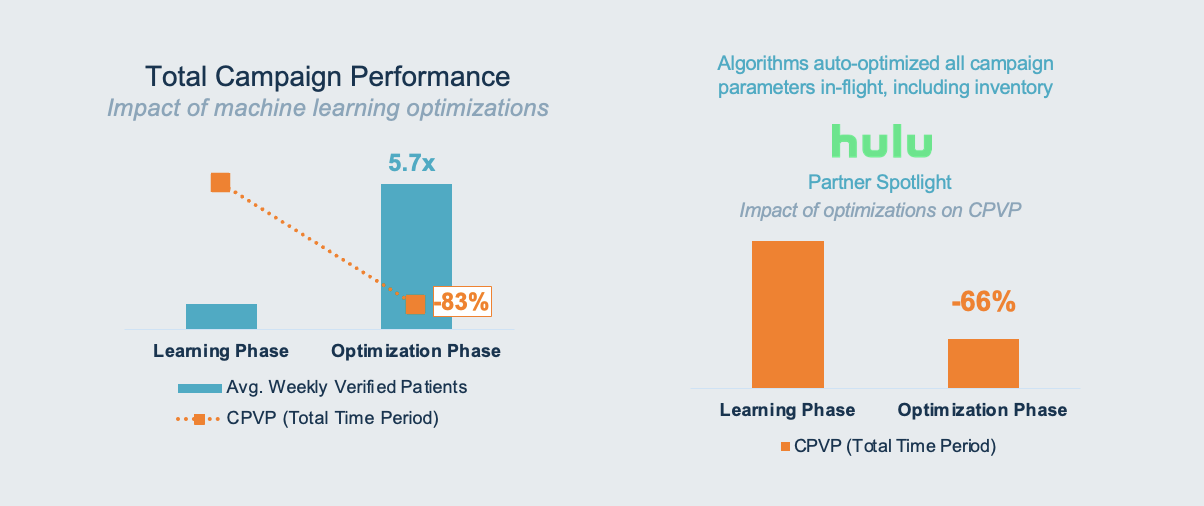
One pharmaceutical company and its agency of record ran a multichannel campaign with DeepIntent to raise awareness for a plaque psoriasis medication. DeepIntent’s machine learning algorithms automatically optimized the campaign in-flight, maximizing media efficiencies. The brand was able to increase verified patient reach by 5.7X while decreasing the cost-per-verified patient by 83%.


  1. CTV Can Improve the Incremental Reach of Linear TV Campaigns


For many pharma brands, linear TV remains an effective avenue for reaching consumers. But with the number of “cord-cutters” on the rise and the rapid adoption of streaming content viewing –- which has only accelerated during the pandemic – advertisers are rethinking strategies that rely solely on linear TV.


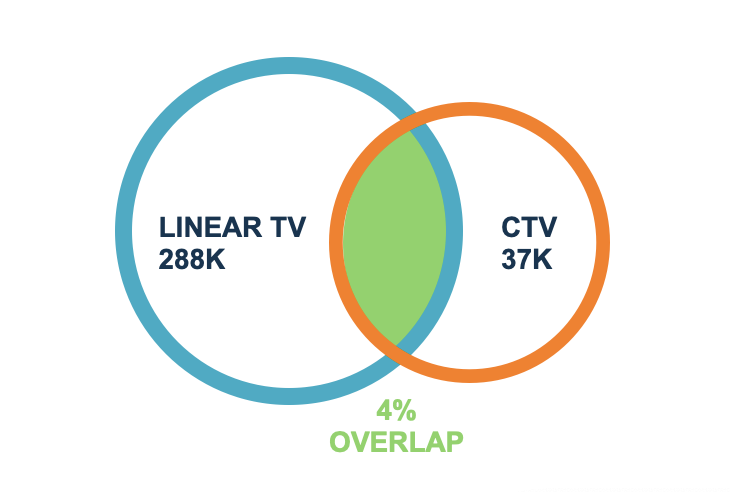
Notably, they’re realizing they can reach new, unique audiences that their traditional campaigns will miss. One lung cancer drug reached 288,000 verified patients with linear TV. Working with DeepIntent, the brand used CTV to extend reach to 37,000 incremental patients, with a mere 4% audience overlap.


This level of visibility into incremental audiences is made possible thanks in large part to automated content recognition (ACR) data, which allows advertisers to understand exactly who is watching what and when. By leveraging ACR data to plan their CTV campaigns, advertisers can ensure that they’re finding new audiences – and not simply reaching existing viewers. Considering that many marketers say their ability to manage reach and frequency across CTV and digital channels is a top concern, integrating ACR data offers a novel approach to this challenge.


  1. CTV Can Supercharge Other Channels


Linear TV isn’t an outlier. CTV also has the ability to supercharge other digital channels. For pharma advertisers looking to drive audience quality and script lift, CTV as a standalone channel consistently outperforms online video and display media, for example.


However, time and time again, DeepIntent clients have found the best results from digital channels working together in tandem.

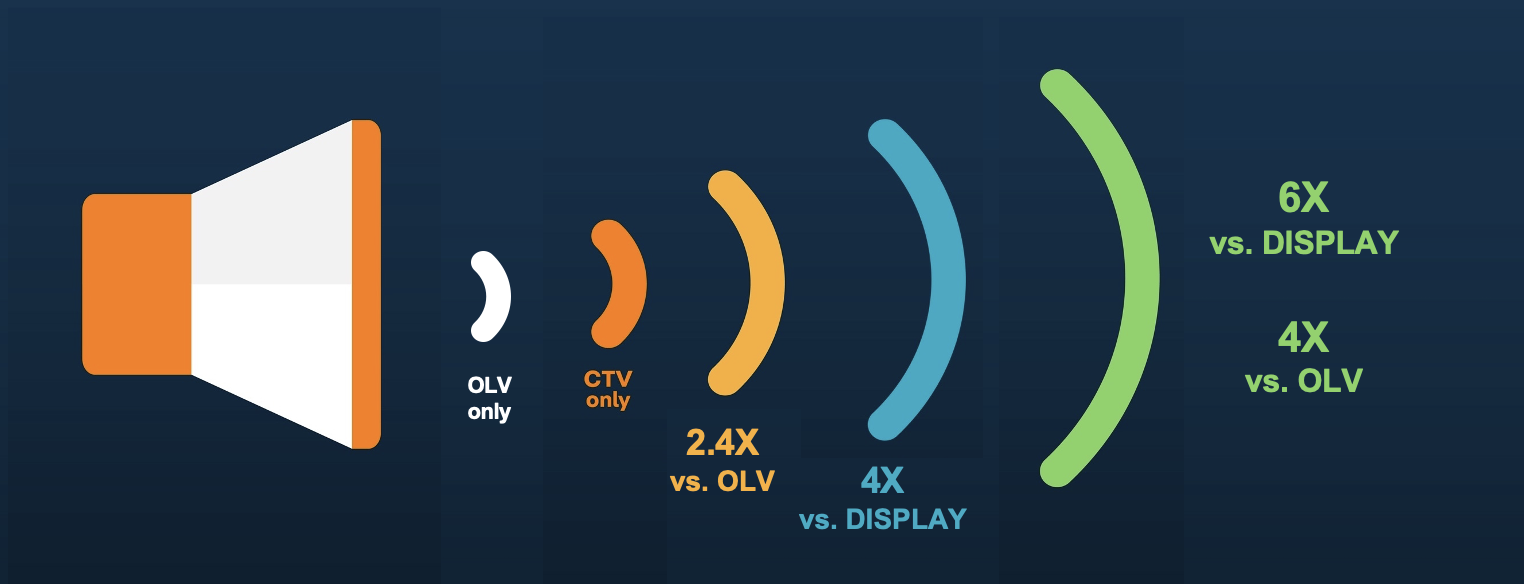
One top pharmaceutical company invests heavily in addressable media to support its largest brand, an antiviral medication used to treat symptoms of an infectious disease. Collaborating with DeepIntent on a multichannel campaign, the company’s agency of record found that CTV delivered 2X higher new-to-brand (NBRx) prescriptions than online video and 2.5X higher NBRx than display media. Combined exposure to both CTV and online video drove 4X higher NBRx than display media alone. When all three channels were combined, NBRx was 6X higher than display and 4X higher than online video.


Switching From Linear TV to CTV Represents the Future of Pharma Advertising


Linear TV may have dominated healthcare marketing in the past, but that’s starting to change. Patients are increasingly embracing new forms of media, and it’s time for the pharma industry to catch up or risk getting left behind.


Many leading pharma brands have already recognized this landscape shift and begun trialing CTV as a larger portion of their ad budgets. The result is that they’re generally improving the ROI of their campaigns while becoming much more targeted in their approach. At a higher level, this shift further points to a new era for pharma advertising that’s data-driven and meets patients where they are, in a much more efficient way than previously thought possible.

John Mangano, Chief Analytics Officer, DeepIntent

Cancer-Patient-shutterstock_645685942-1200x797.jpg

March 10, 2023 0

Clearly understanding their diagnosis and treatment plan is vital for cancer patients in order for them to have an optimal treatment experience. In fact, studies have linked patient education to reduced depression and side effects from cancer therapies. Yet new data shows there are critical gaps in cancer patients’ knowledge about their condition and treatment.

Results from 825 patients diagnosed with or treated for cancer who were surveyed on Phreesia’s PatientInsights platform as they checked in for their doctors’ appointments revealed the breadth of that knowledge gap: More than one-third (34%) of surveyed patients were unaware of how advanced their cancer was.

That’s a percentage that Justin Holko, Vice President and head of the Global Oncology/Hematology Commercial Business Unit at Regeneron, finds troubling. Shubh Goel, Vice President and U.S. franchise head for Immuno-oncology and Gastrointestinal Tumors at AstraZeneca, shares his concerns, calling the statistic “a challenge for our industry to do better.”

Other survey findings further reinforced the conclusion that too many cancer patients are in the dark about important aspects of their condition and treatment. More than one-third (34%) of survey respondents said they lacked a clear understanding of their cancer therapy before starting treatment, while 17% understood their treatment “somewhat,” and a further 17% had little to no understanding of their treatment.

Similarly, only 35% of patients said they had undergone genetic or biomarker testing for their cancer, and 24% were unsure whether or not they had received such testing. The remaining 41% of surveyed patients did not undergo genetic or biomarker testing, depriving them and their physicians of insights that could have informed their care.

Holko sees those findings as evidence of the need for medical, commercial and research and development teams to make sure that every patient, caregiver, nurse and doctor has the opportunity to learn about all of the options available to them. But providing that education, particularly to patients, requires thoughtfulness: When communicating with patients at vulnerable points in their cancer journey, how information is conveyed is just as important as the knowledge itself.

“It's not just your delivery of the education and facts, but doing it in a way that is uncomplicated, easy to understand, not overwhelming and that makes people feel like they’re equipped with the tools they need to go talk to their doctor or better understand their condition,” Holko explains. “It has to be done in a very personal way.”

Cancer-therapy drugmakers also play an important role in helping patients understand their diagnosis and treatment pathways. “Because we develop and make these cancer treatments, we have the opportunity to be an ally and an educator,” Goel says, highlighting the need “to work hand-in-hand with advocacy partners to advance dialogue with patients and grow our education efforts.”

Additional survey results indicated avenues for activating patients and improving their understanding of their cancer and available therapies. A majority (69%) of surveyed patients said they had sought resources beyond their healthcare provider to learn more about their illness. Online searches (48%), general cancer websites (36%) and specific cancer websites (32%) were cited as the most widely accessed resources.

Meeting patients where they are can better address their knowledge gaps and ultimately improve their cancer treatment, Holko says, pointing to the need for market research that can shed more light on how different patients find and absorb cancer information.

“It really comes down to understanding who your patients are and using every channel available to you to reach the right patient at the right time in a very personalized way,” he says.


Nick Paul Taylor