
Latest News


April 17, 2015 0
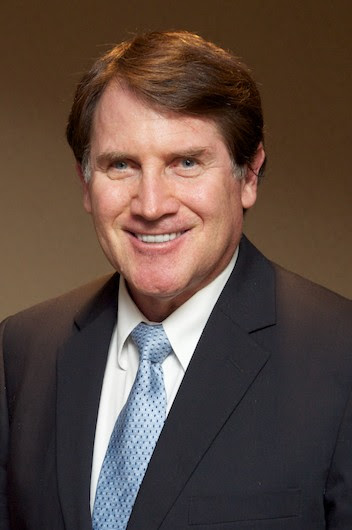
Bob Ehrlich
“Mass media may not be sexy any more..but…works.”
-Bob Ehrlich

I asked noted advertising critic Bob Garfield to speak at the DTC National last week. As usual Bob basically said media as we know it is dead and we are all missing the radical shift from mass to targeted advertising. In the Q&A, I told Bob that for our Industry the reality is that DTC shifts have been very gradual and television and print still dominate the media budgets.

He is absolutely correct that my grandchildren will view media much differently than I do or did growing up. The issue here is the time frame and the impact on drug and device marketers over their planning horizon. While all drug marketers need to recognize the power of big data, social media, web search, and other growing health media opportunities, we still need to acknowledge that mass is where DTC marketers spend 60-80% of their media money.

The media gurus try to make drug marketers feel like they are missing the boat on targeting. They are right to point out the opportunities but wrong in the assumption that drug marketers somehow are blind to those changes. The drug marketers absolutely recognize that more targeting is a key goal and a preferred use of media dollars. They also know that mass media delivers a good ROI and that these media observers really do not know how to optimize DTC spending.

We do have emerging techniques to make television more effective. Some of those were presented last week and well received. Our target group is generally older, less reliant on newer technologies, and watches lots of television. They still read magazines and newspapers. While the next generation will behave very differently, most product managers are working in a two-three year horizon. That means a very gradual decline in mass media reliance.

So gurus like Bob earn their living making marketers feel uncomfortable and inadequate. That is why they get invited. They are there to make us self critical. Even when they are wrong, the idea of having them speak is to force us to question our marketing approach. Are we moving fast enough? Are we demanding enough from our agencies and media partners? Are we set up organizationally to capture customer data and insights?

Eventually folks like Bob Garfield will be right. Oil will one day be back to $100 a barrel, gold will hit $3000 an ounce, and mass television and print will be radically altered. Should drug marketers feel they are too slow in adapting? Are we so conservative that we are blinded to the new realities? The answer is no. Drug marketers are just as smart as fashion, auto, electronics and soft drink marketers. The difference is recognizing that pace of change varies considerably by industry. Drug marketers should embrace change if and only if it gets the job done in terms of motivating patients to use their drugs.

The idea that each DTC media budget allocate money to experimentation makes sense. That does not mean, however, that we should rush into a dramatic shift towards the hottest technique. Mass media may not be sexy any more, but as marketers we do what works, and that is what counts.

Bob Ehrlich


March 6, 2015 0
Bob Ehrlich
“Patient engagement…will be a company survival imperative.”
-Bob Ehrlich

We have an impending health care cost crisis facing many Americans. Anyone with employer subsidized insurance has seen their share of the cost rise over the years. My personal premiums as a Pfizer retiree have risen every year and now approach $5000 a year plus my deductible. So before I see much reimbursement I pay close to $7000. I know this is still a good plan and much better than what I would pay on the exchange.

On those state and federal exchanges, my premiums would run about $8000 and a deductible of $6000 would be normal. So most health insurance is really for an unexpected serious illness beyond what we would expect in a typical year. Most years I do not reach my deductible, and that is a good thing because it means I am relatively healthy.

So whether one has employer or exchange-based insurance we still are paying our own way much of the time. I know we get that free check-up once a year and a couple of other freebies under the ACA. The fact is, however, that anytime a doctor wants to do a procedure, test, or write a prescription we are paying for all or much of it out of pocket.

I have been getting used to that with my dentist for years since I have no dental insurance. As most of you know teeth somehow are extremely expensive to repair. That tiny porcelain crown costs $2000. My tiny little titanium implant cost around $4000. Lacking dental insurance makes one very attentive when the dentist recommends a procedure. I have lost all reluctance to push back on price and actively explore cost of the procedure. I also negotiate. I am no longer reluctant to show emotion and skepticism when told that little tooth somehow needs work.

We can certainly expect patients to react to this cost shift by engaging in traditional consumer behavior. The idea that patients accept whatever the doctor suggests will be affected by cost. As unseemly as it is, patients will be challenging their provider on price/value. They will demand in advance understandable explanations as to cost and the alternatives.

Drug companies have for years been the recipient of tougher negotiations by insurance companies. Insurance companies have increasingly passed on the cost of branded drugs to their patients. So, the bottom line is drug companies are faced with a marketing problem. How do they convince patients to pay higher fees for their drugs? While tiered formulary has been a fact for years, it is getting worse.

As patients start demanding value for their money, drug companies need to change their engagement strategies. Added value can be achieved in many ways. That can be through pill size, dose, frequency, side effects, packaging, efficacy, multi-indications, and follow up service.

While patient engagement has always been a goal of drug marketers, it will be more of a company survival imperative in the future. The new patient, driven by cost pressures, will demand value for premium priced drugs. Drug companies may not yet be ready to deal with the empowered patient armed with information and angry at their rising health expenditures. I would hope drug executives are acutely aware of this new consumer power. Successful drug companies will be those who stress price value and respect the rising power of the patient.

Bob Ehrlich


February 18, 2015
Bob Ehrlich, CEO, DTC Perspectives
"Consumers.. remember very little…so less is more." -Bob Ehrlich

FDA is proposing a study which I call “less is more.” The study is long overdue. They are concerned that too many risks are being presented in television ads and perhaps this confuses consumers. The basic lesson of advertising is to focus on the main point or compelling benefit if you want people to remember it. That lesson also applies to risk.

Consumers deserve to know about any significant risk of a drug they are taking or may take. Current DTC ads are risk heavy and loading ads with the many potential risks and side effects obscure what really are the most important. So if something minor happens to one in ten thousand people, is that worthy of being mentioned?

I have always been an advocate of presenting the odds of serious risk. FDA needs to provide guidance in consumer terms. If I have several friends who got a side effect, then that is worth mentioning. If I have to dig in the medical literature to find the one person having a side effect it is not. FDA is considering doing what any reasonable person would do. That is, discuss risk in the context of its frequency and seriousness.

We do not require auto makers to say you may die driving their car. We do not require airlines to discuss the risk of a crash. Yet drugs seem to be treated as something deserving of the mention of anything that may happen if taken. It is about time consumers were given some better information. If it kills one in a five hundred thousand do I really need to be told that in an ad?

I hope this study can provide some data that will help. This falls in the category of better late than never. There is, of course, a lot of general literature on advertising recall, and perhaps FDA could make sensible conclusions based on the existing vast history on advertising concepts. That would say consumers watching ads can remember very little, so less is more.

I know FDA is filled with bright people so I assume they know this concept. What is frustrating is their pace in advancing sensible regulation. By the time they finish this study it will be twenty years since television ads were presented to consumers. If consumers are risk confused now, they were in 1997 as well. FDA has told me numerous times how busy they are, so it is no surprise they are just getting to this study. It is a sad commentary, however, on their staffing and/or their priorities.

I guess we must be thankful FDA took some regulatory liberties and allowed the 60 second ad in 1997. So despite the nearly two decades it took to get here, the study is important for industry and its customers.
Bob Ehrlich, CEO, DTC Perspectives

Bob Ehrlich