

How Will The Kennedy FDA Impact DTC Television Creativity
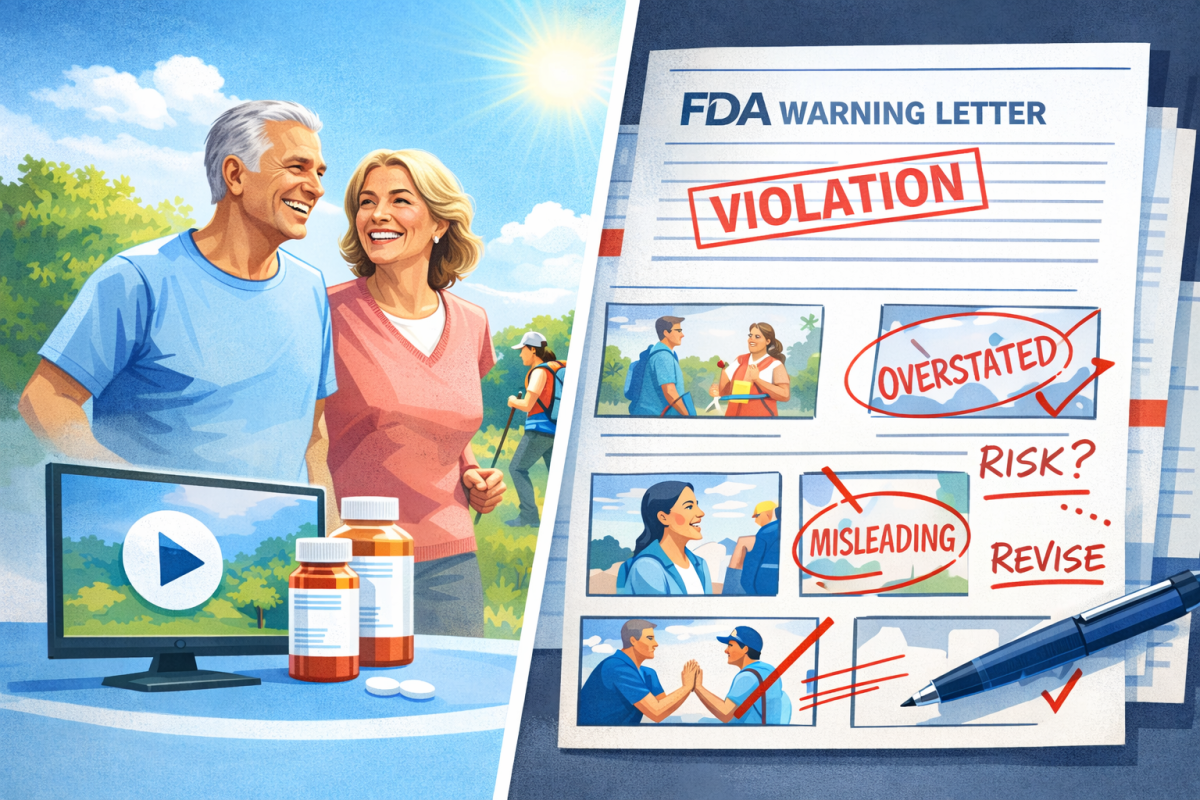
The violation letters that started last September and continue this year might alter how brands craft DTC advertising. FDA is using a “totality of the evidence” standard to decide if an ad is in violation. That means they are now interpreting individual statements and creative elements together. While each statement might be true, FDA is deciding that when taken together, consumers are misled as to efficacy and risk.
This “totality” rationale gives FDA wide latitude to decide if commonly used DTC scenes of active patients enjoying life contribute to misleading claims. Many letters use these scenes as a reason to find greater efficacy claims than the drug really provides. I find the “totality” standard problematic. One could find almost every ad in violation by parsing each scene. There now seems to be a highly subjective degree of oversight.
While each statement might be true, FDA is deciding that when taken together, consumers are misled as to efficacy and risk.
I understand the new FDA is showing it is tougher on advertisers. We all get it. They are taking the desire to ban DTC on television and doing the next best thing by sending more letters. As an industry we have little choice but to respond with ads more likely to pass muster. It is hard to fight an agency that has been directed by Secretary Kennedy to eliminate what we do. They are trying to end adequate provision, the regulation that allows :60 ads, but that plan will face court challenges.
The good news is almost all the ads cited by OPDP can be fixed with a few copy changes and by toning down some of the happy scenes. That may be disappointing to agency creatives, but the reality is ads can still be interesting enough to get consumer attention. I am sure MLR internal groups are increasingly nervous in their review process and will make it harder to get approval. That means brands will need more time to develop ads, create alternatives, and allow for internal review resulting in changes.
I am not overly concerned with what I have seen from OPDP. Their letters are obviously frustrating and, as I said, too subjective. What was acceptable in the past will no longer be allowed. The reality is DTC is running at record spending levels, so drug makers are adapting to the new regulatory crackdown. A few campaigns that received letters needed dramatic changes, but most were just tweaked to satisfy OPDP concerns. I am hoping FDA is satisfied by being “tougher” and drops further regulatory action relating to adequate provision. The drug industry can do its part by showing it is crafting ads that meet the new requirements.
Author
