
Latest News


Feb-Superbowl-featured-image-1200x800.png

February 10, 2026 0

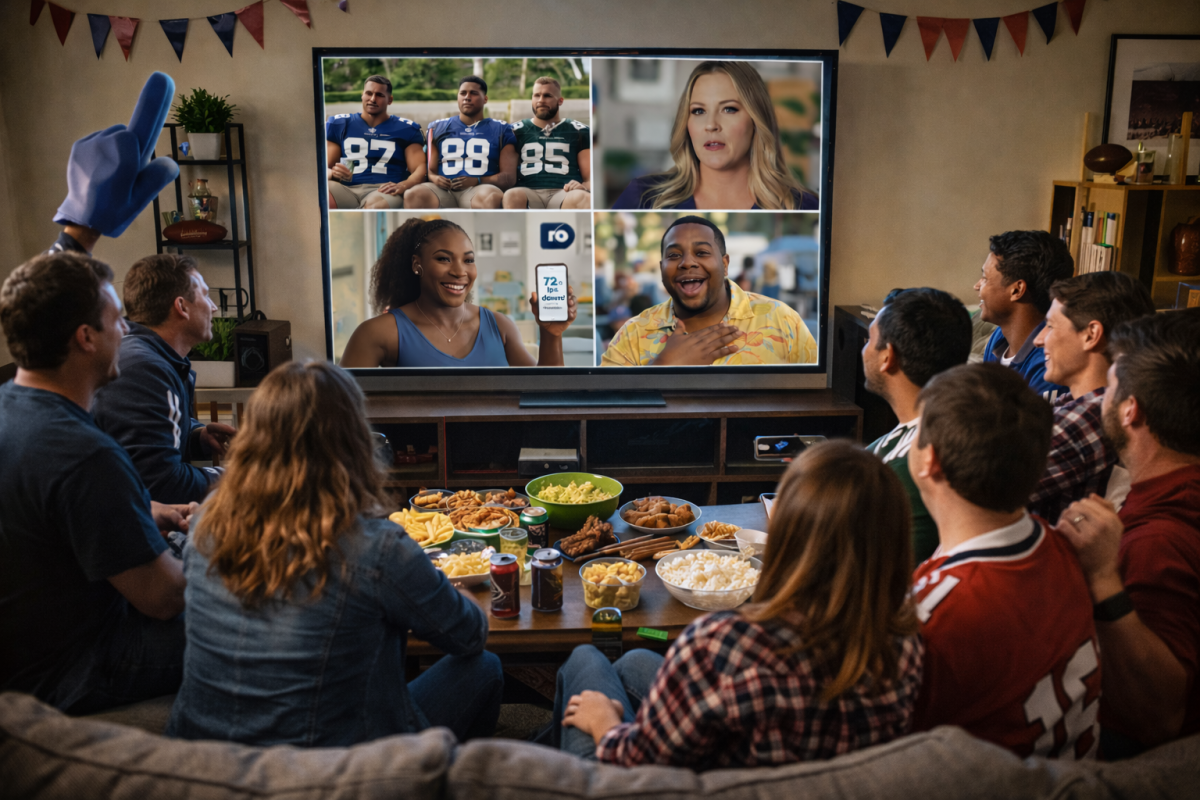
Direct-to-consumer (DTC) advertising once again took center stage during the Super Bowl. This year, four commercials aired that were directly related to prescription drugs or diagnostic testing—an increasing trend as pharmaceutical companies seek to make big, cultural-impact moments out of major live events.

Historically, drug manufacturers have not heavily invested in Super Bowl advertising. That appears to be changing, as companies recognize the power of this massive national platform to reach both patients and healthcare providers simultaneously.

Novartis led the way with another highly creative disease-education ad—this time focused on prostate cancer screening. Last year, the company ran a widely discussed breast cancer awareness spot. This year’s commercial cleverly played on the concept of “tight ends,” featuring NFL stars Rob Gronkowski, Tony Gonzalez, and George Kittle in relaxed settings. The message: men do not need to fear prostate cancer testing because today’s screening can be done with a simple blood test rather than a digital rectal exam.

Even under rising regulatory pressure, pharma is doubling down on the Super Bowl as a must-have DTC stage.

The second ad came from TG Therapeutics and featured actress Christina Applegate, who has lived with multiple sclerosis (MS) for years. In her characteristically candid style, she bluntly stated that “having MS sucks.” The ad directs viewers to a platform where Applegate will share more content about living with MS, while also raising awareness of TG Therapeutics’ treatment, Briumvi, which is designed to slow disease progression. Applegate has long been open about her MS journey, which has profoundly affected both her career and personal life.

The third ad spotlighted Ro, with tennis legend Serena Williams promoting weight loss using a GLP-1 medication available through the company. Williams has been a compelling spokesperson for a range of brands, and this commercial was particularly well executed and persuasive. Ro markets branded medications directly to consumers while also providing ongoing clinical support through its membership model.

The fourth ad promoted Wegovy, Novo Nordisk’s newly launched weight loss pill. The tone was lighthearted and star-studded, featuring celebrities such as Kenan Thompson, John C. Reilly, and Danny Trejo. Given that the pill only became available in January, the spot functioned largely as an announcement to build awareness.

This is a critical moment for Novo Nordisk, as it currently has a limited window to dominate the emerging oral weight loss market before Eli Lilly introduces its own pill version of Zepbound later this year. Novo Nordisk had also faced potential competition from Hims & Hers, but legal pressure and FDA warnings prompted that company to withdraw its lower-cost alternative.

Overall, it is encouraging to see pharmaceutical companies continue to embrace television advertising—even amid growing regulatory scrutiny. The FDA has signaled its intent to make branded DTC ads more difficult to execute by flagging more commercials as non-compliant and by reconsidering rules that currently allow abbreviated risk disclosures in 60-second spots. While the regulatory landscape remains uncertain, it is clear that drug makers are committed to maintaining their presence in major broadcast advertising.

Bob Ehrlich

migraine-shutterstock_2500128951.jpg

October 22, 2024 0

On 8/29/24, AbbVie received a notice from FDA’s OPDP that their Serena Williams DTC television ad violated the FD&C Act. The reasons cited are for overstating the benefits of Ubrelvy. The untitled letter illustrates the difficulties pharmaceutical companies face in presenting benefit information that satisfies FDA requirements.

Ubrelvy tried to meet FDA requirements and do it in a :30 second ad. For drug ads, this is very hard to do given most drug ads need :60 and :90 seconds because of complex benefit claims and fair balance. AbbVie has used Serena Williams as a migraine relief spokesperson for several years. She has been an excellent example of a celebrity endorser. Serena has the migraine condition and the ads are presented in a unique creative style.

What happened in this case that OPDP called the ad violative? In sum, OPDP said the stated benefit of providing one dose rapid relief was not consistent with clinical data. That data showed only a minority of users got relief that quickly. The television ad claimed in a large super, “Ubrelvy Quickly Eliminates Migraine Pain”. Serena’s audio says, “One dose works fast to eliminate migraine pain.”

OPDP also had concerns that Serena, as a celebrity, further added to the potential for consumers to believe the one dose rapid relief claim was true for all users of Ubrelvy. OPDP cites several studies supporting the idea celebrities add to claim believability.

OPDP acknowledges that the ad had a small qualifying super saying “some people had pain freedom within 2 hours.” That small super was insufficient in balancing the ad’s stated claims of rapid relief. OPDP says the speed of relief and one dose claims are misleading because they do not work for everyone.

The Ubrelvy case is important because it illustrates the difficulty drug makers have distilling complicated clinical results into concise advertising claims. Ubrelvy and almost all other prescription drugs provide benefits for some but not all users. Trying to get to that one compelling benefit in DTC ads is difficult given that clinical data is mixed in patient outcomes. Drug claims need to have significant enough disclaimers on efficacy to clearly communicate the extent of the benefit.

In this case, OPDP felt Ubrelvy did not present the proven clinical benefits clearly enough. I should point out the Serena ad in question is not vastly different from the other Ubrelvy ads run from 2022. The earliest ads from 2020-2021 were less declarative, however, in the claim using the word “can” help relieve migraines.

I am not sure if OPDP questioned prior ads or had discussions with Ubrelvy during the pre-clearance process. There is a redacted paragraph in the letter that indicated previous OPDP concerns about Ubrelvy ads. This was when Allergan owned the brand before being acquired by AbbVie. Most drug ads are pre-cleared at least for the first campaign used. Sometimes new versions are not pre-cleared if similar enough to earlier ads.

AbbVie has been asked to stop running the ad and it will be interesting to see their response to OPDP. Usually if the pharmaceutical company stops running the ad, the FDA will not take further action requiring corrective advertising.


Bob Ehrlich